
How Loss Reshapes Relationships
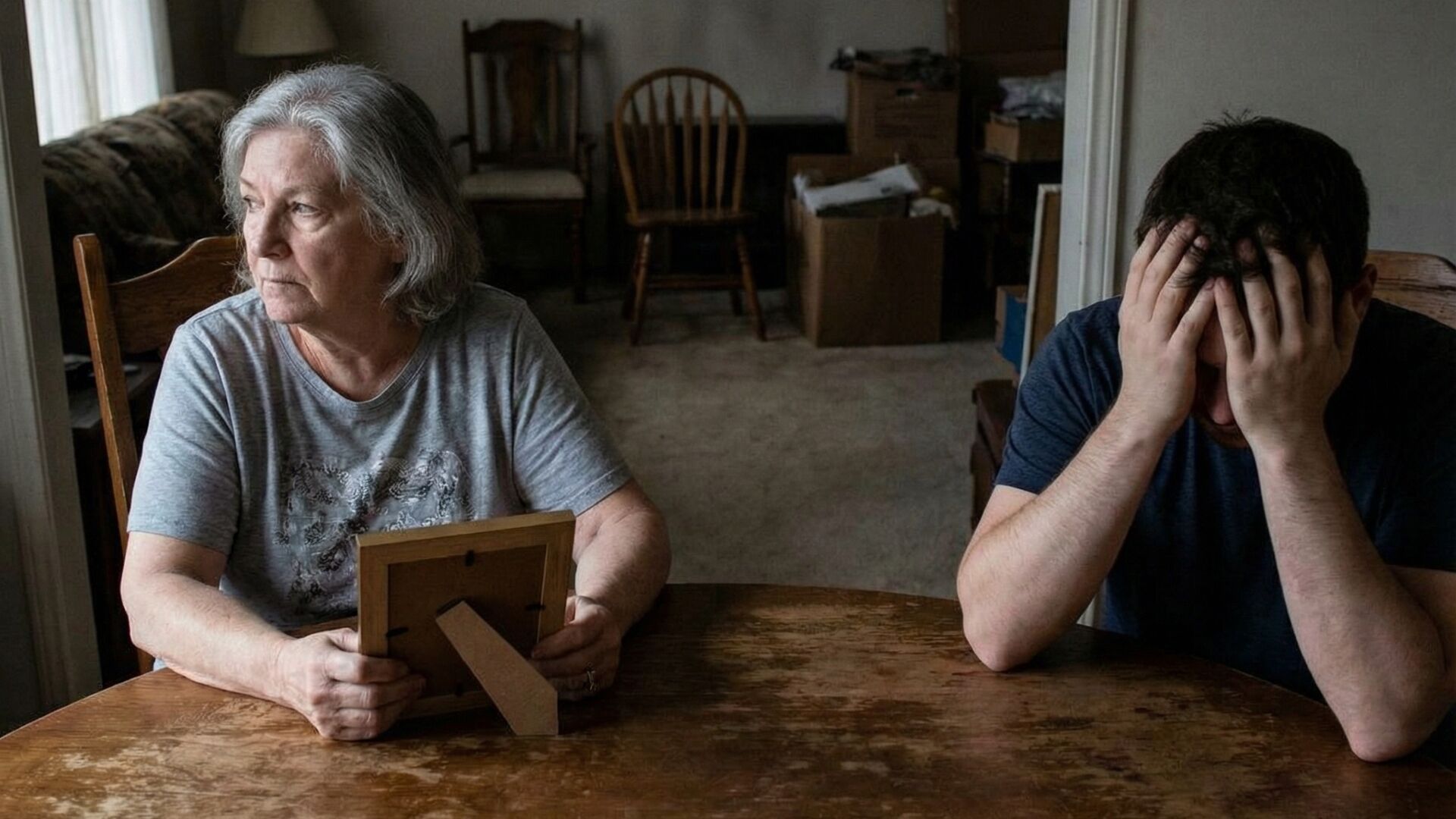

Grief is a very intense feeling that can deeply affect our personal development. Loss, whether through the death of a loved one or the end of an important relationship, confronts us with our own vulnerability and fragility. On georgia.de you will find inspiring and profound articles that deal specifically with such themes. We not only consider the emotional aspects of loss but also how these experiences can help us reflect on our lives and our relationships and perhaps even reshape them. In the Love category, we explore the psychology of relationships and show how grief can teach us to experience love and connection in new ways. Expect helpful advice that will assist you in mastering the challenges of grief and finding fruitful paths to self-acceptance.
The first phase after a loss is often characterized by shock and disbelief. During this time, we may feel isolated from others, even when surrounded by friends and family. Many people experience grief as a kind of emotional storm that overwhelms their thoughts and feelings. It is important to allow the pain in this phase and to understand that grief is a natural part of life. Often, the support of close individuals is greatly underestimated in these moments. Sometimes it helps to actively ask for support, even when it is difficult. You should know that it is perfectly okay not to have to be strong and to accept the vulnerability that grief brings.
Grief, as hard as it is, can also serve as a catalyst for personal growth. When you deal with the loss, you often gain new perspectives on life and the relationships you lead. This phase offers the opportunity to reflect on behavior patterns and to initiate necessary changes. You may find that you want to spend valuable time with people who truly matter to you. Loss can shift priorities and help recognize the importance of relationships that often get lost in daily life. By openly talking about your grief, you might not only clarify your own feelings but also encourage others to share theirs, thereby building deeper connections.


Changes in Relationships
With grief often comes a reshaping of interpersonal relationships. Some friends and acquaintances may not recognize how to interact with you, while others may want to bond more closely with you. Here it is important to communicate proactively. Talk about what you need to feel supported. Openness can avoid misunderstandings and lead to deeper connections, as friendships that overcome the hurdle of grief are often especially resilient. In this phase, you also learn who stands by you in difficult times and who may not be able to support you emotionally. This can be painful but also liberating.
Additionally, loss can change the dynamics in relationships. A partner facing grief may change in the way they show or receive affection. It is important to recognize and respect the changed needs. A successful couple is able to adapt to the new circumstances and respond to each other’s emotional language. Communication plays an essential role here to avoid misunderstandings and to support the other in their grief. Use this time to deepen the relationship and work through grief together.
Finally, there is often a desire to form new connections or revive old ones. This new perspective can be useful to see life in a different light. Grief sharpens our vision and can lead us to seek refuge in new friendships or even romantic relationships based on empathy and understanding. It is the chance to start a new chapter in life and possibly to give something common like dating a deeper meaning. Don’t let the fear of rejection hold you back, but actively reach out to others. You may be surprised by how many people have had similar experiences and are willing to share their stories with you.
Practical Tips for Coping with Grief
To better cope in times of loss, it is helpful to develop concrete strategies. One way is to keep a grief journal. Write down your thoughts and feelings regularly to process the emotions and promote the healing process. Writing can have a cathartic effect and help you capture and understand the pain. Often, it is enough to express feelings without a filter and to give yourself the space to feel everything you are currently experiencing. Do not hesitate to also capture the positive memories of the deceased. These memories can serve as anchors for beautiful times and lead to a better emotional balance.
Additionally, self-care is of the utmost importance in times of grief. Pay attention to your physical and mental health. This means focusing on a balanced diet, getting enough sleep, and exercising regularly. These elements contribute not only to physical health but also positively impact your mental state. We often forget that we should pay special attention to ourselves in difficult times. Do not lose sight of the fact that you are just as valuable, and give yourself things that bring you joy, even in small ways.
Above all, it is important to be patient with yourself. Grief is an individual process, and there is no fixed time limit. Each person experiences grief differently and deals with the associated emotions in various ways. Give yourself the time you need to heal. Accept that there will be good and bad days, and that this is part of the process. This patience can lead to your returning to your relationships refreshed and with a new appreciation for the people around you. Thus, loss will not only remain a painful experience but also one that opens your heart and soul.
Conclusion and Courage for New Beginnings
In conclusion, it can be said that grief is a challenging but also transformative session in life. Through the process of grief, we can not only experience our own inner growth but also enrich the quality of our relationships. It is an opportunity to strengthen old connections or forge new ones based on understanding and genuine affection. The lessons we learn through loss can help us be more open and honest in future relationships.
The willingness to accept grief and actively learn from it can positively influence your life. Instead of viewing loss solely as something negative, look at the wealth of love and memories you have been able to share with those who are no longer here. Use the insights gained to change your perspective on future relationships and to appreciate them more. Every ending carries within it the possibility of a new beginning, full of hope and new connections.
Finally, it is important to give hope to others who may be experiencing similar losses. Share your thoughts and experiences to meet them lovingly. Thus, grief becomes the strength that inspires you and others to recognize and appreciate the meaning of love and connection in their own lives. Grief can connect us and allow us to immerse in a shared healing process that benefits not just us, but all vulnerable hearts.