
How Cities Create Spaces for Social Connections
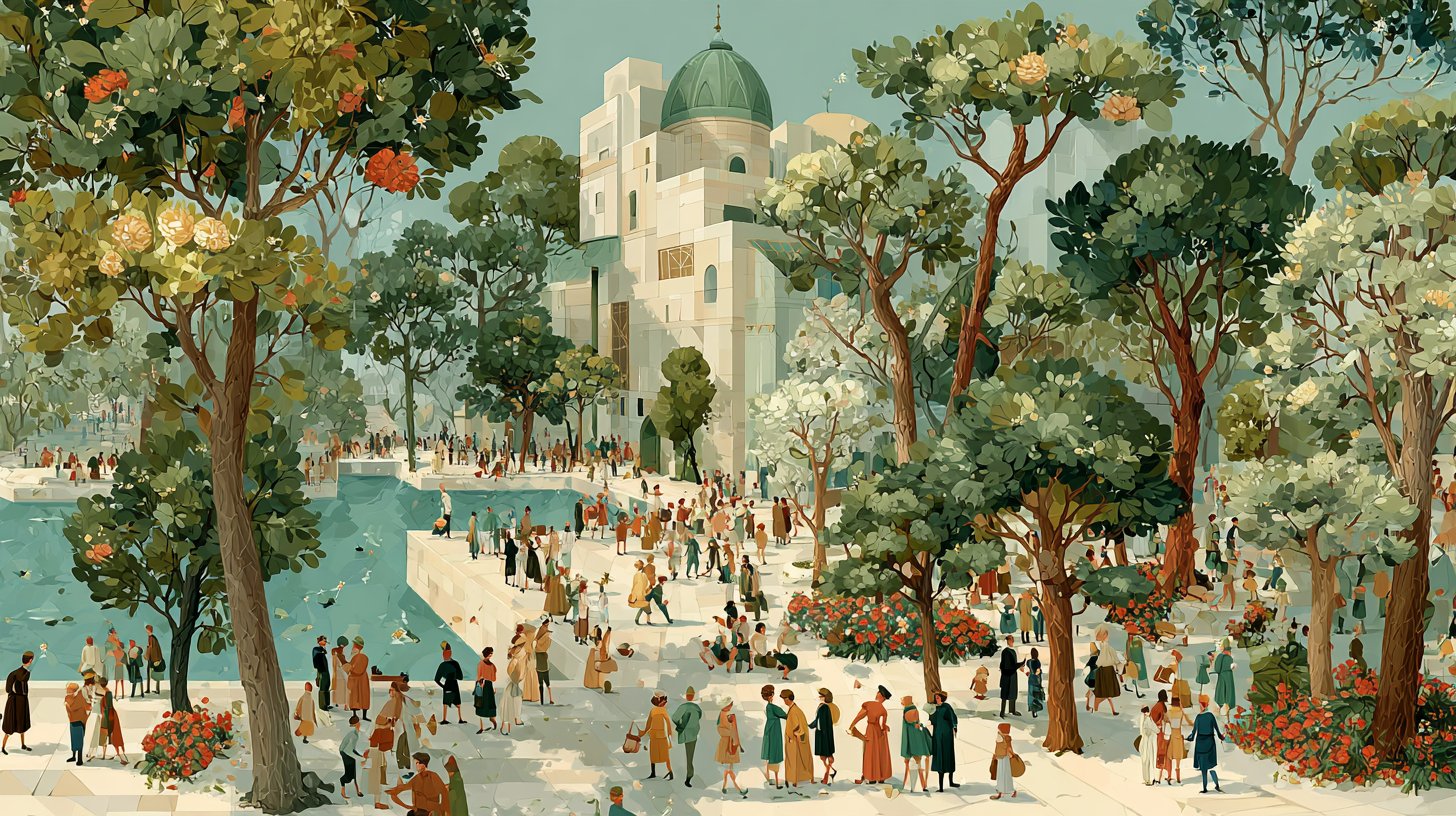

Friendship, encounter, architecture. These three terms are more interconnected than they may seem at first glance. In a world often characterized by hustle and anonymity, the right places in cities can significantly contribute to people meeting, building relationships, and forming friendships. The architecture of urban spaces plays a key role in how and where we encounter each other.
Imagine walking through your city. As you stroll along the streets, you see a charming café with an inviting terrace. People are sitting together, laughing, and discussing. The open design of meeting spaces, whether in the form of parks, squares, or cafés, significantly contributes to spontaneous and uncomplicated interactions. Especially in urban environments, where anonymity is often high, such places can help one find not only neighbors but also friends.


The Importance of Public Squares
Public squares are the heart of every city. They are not only geographic hubs but also symbolic places of encounter and exchange. Places like marketplaces provide space for events, markets, and festivals. Here, diverse people come together who might never meet otherwise. These mixtures of cultures and lifestyles not only promote community; they also help break down prejudices and develop mutual understanding.
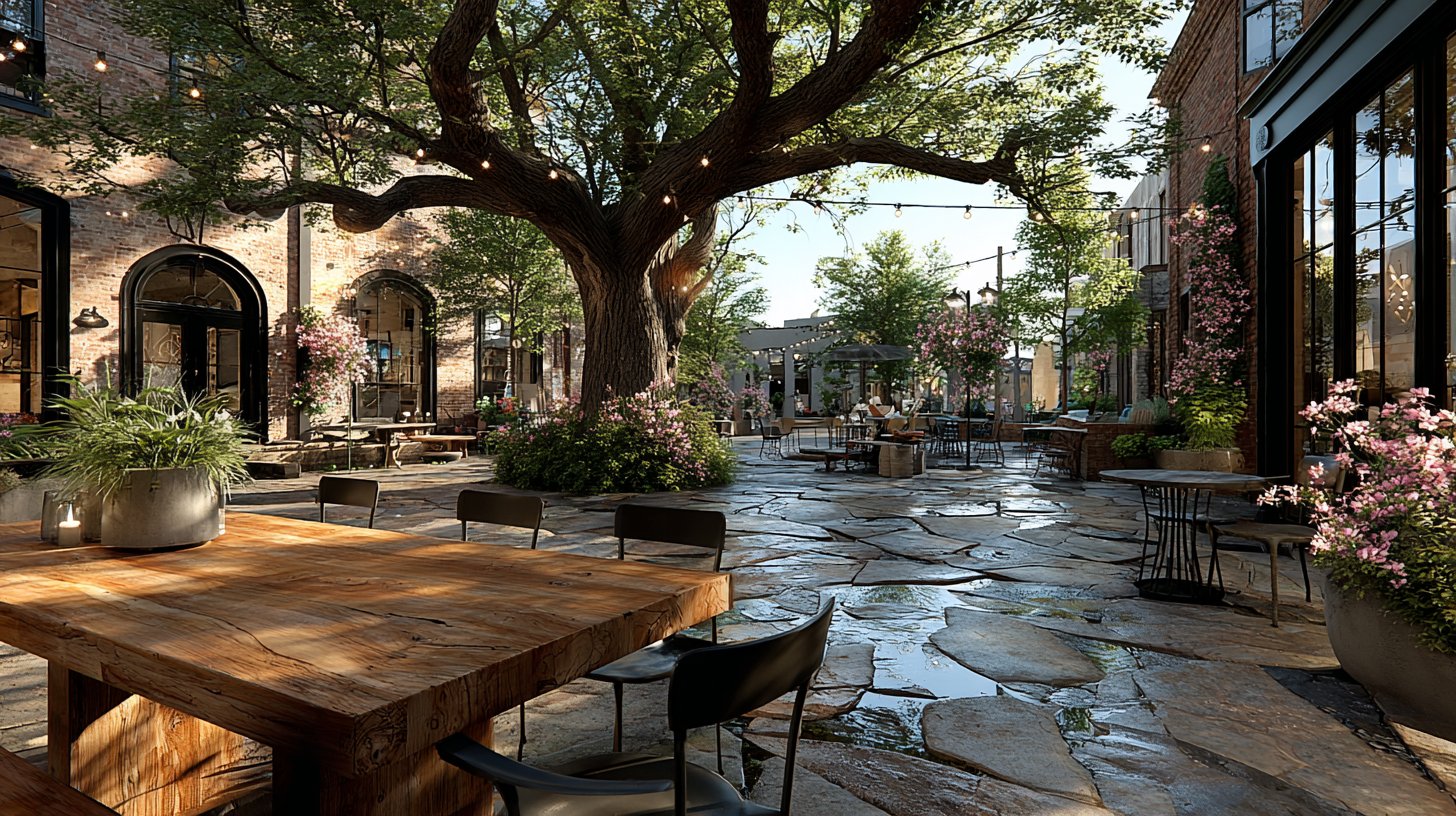
Moreover, public squares are often equipped with a special charm that invites lingering. Benches, lawns, and playgrounds ensure that these places invite not only passage but also staying and relaxing. Children play, couples enjoy a picnic, and groups of friends gather for social rounds. All this often happens in a relaxed atmosphere that forms the basis for new friendships. The design of such places should aim for inclusion and accessibility, so that everyone has the opportunity to be part of these social networks.
The Role of Architecture
Architecture shapes not only the cityscape but also the way we interact with each other. Well-designed buildings and facilities can lead people to feel comfortable and want to spend more time in their surroundings. The concept of 'Third Places,' i.e., places that are neither home nor workplace but offer a third space for social interactions, is becoming increasingly important in modern urban development. Places where one can stay undisturbed and that appear inviting are crucial for the opportunities to form new friendships.
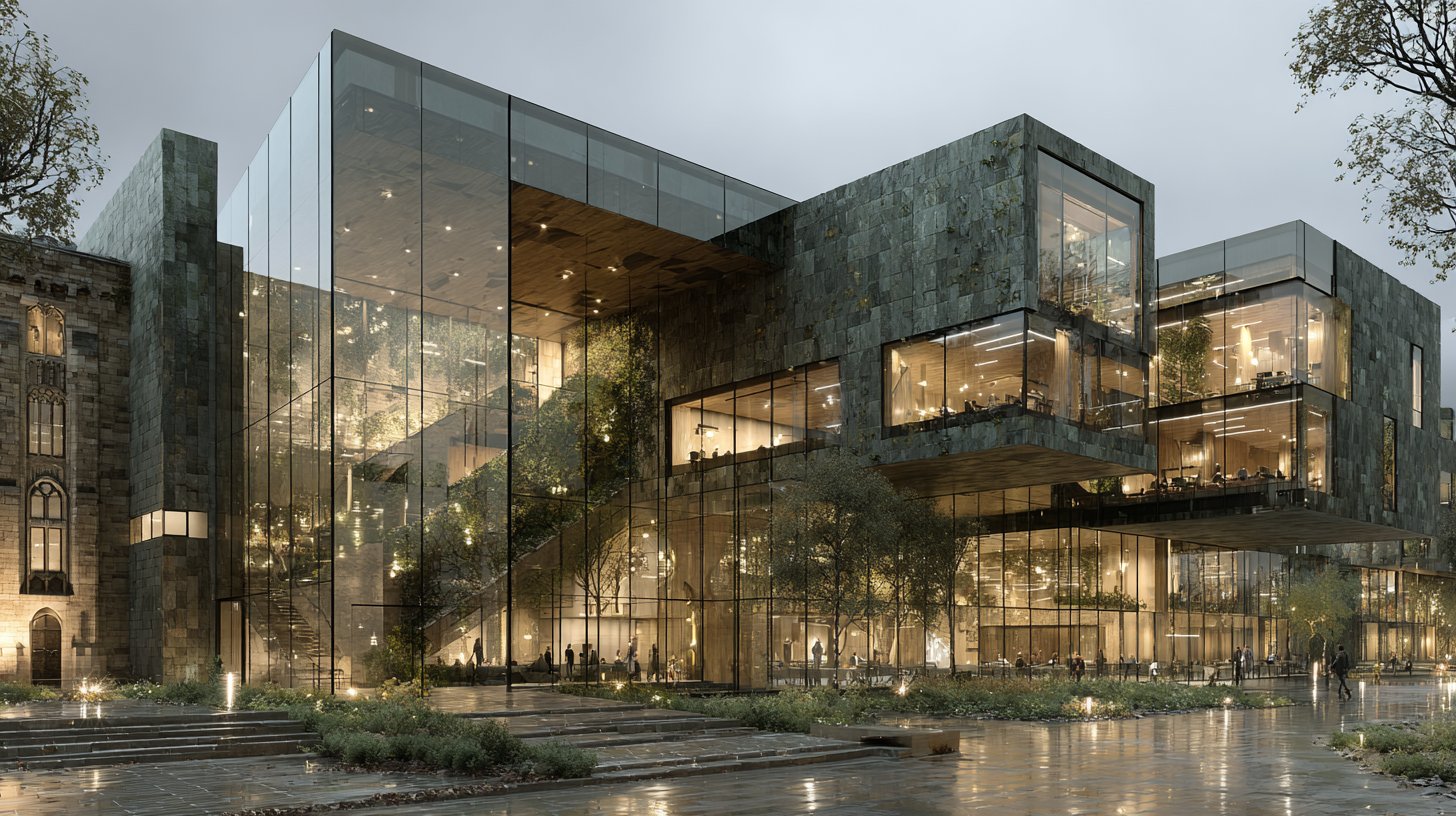
When the space is appealing and functionally designed, people are more likely to use it. The integration of green spaces and retreat options in urban planning can help create a relaxed atmosphere that promotes the well-being of residents. Factors like light, colors, and materials also play a role, positively influencing the ambiance and inviting people to gather.
Technology and Social Interactions
In an increasingly digital world, it is important to maintain physical presence in our cities. Technologies can support these social interactions by creating opportunities to organize meetings or connect neighbors. Apps that display local events or promote neighborhood networks support the emergence of new friendships. The challenge lies in using these technological means in a way that complements, rather than replaces, personal encounters.
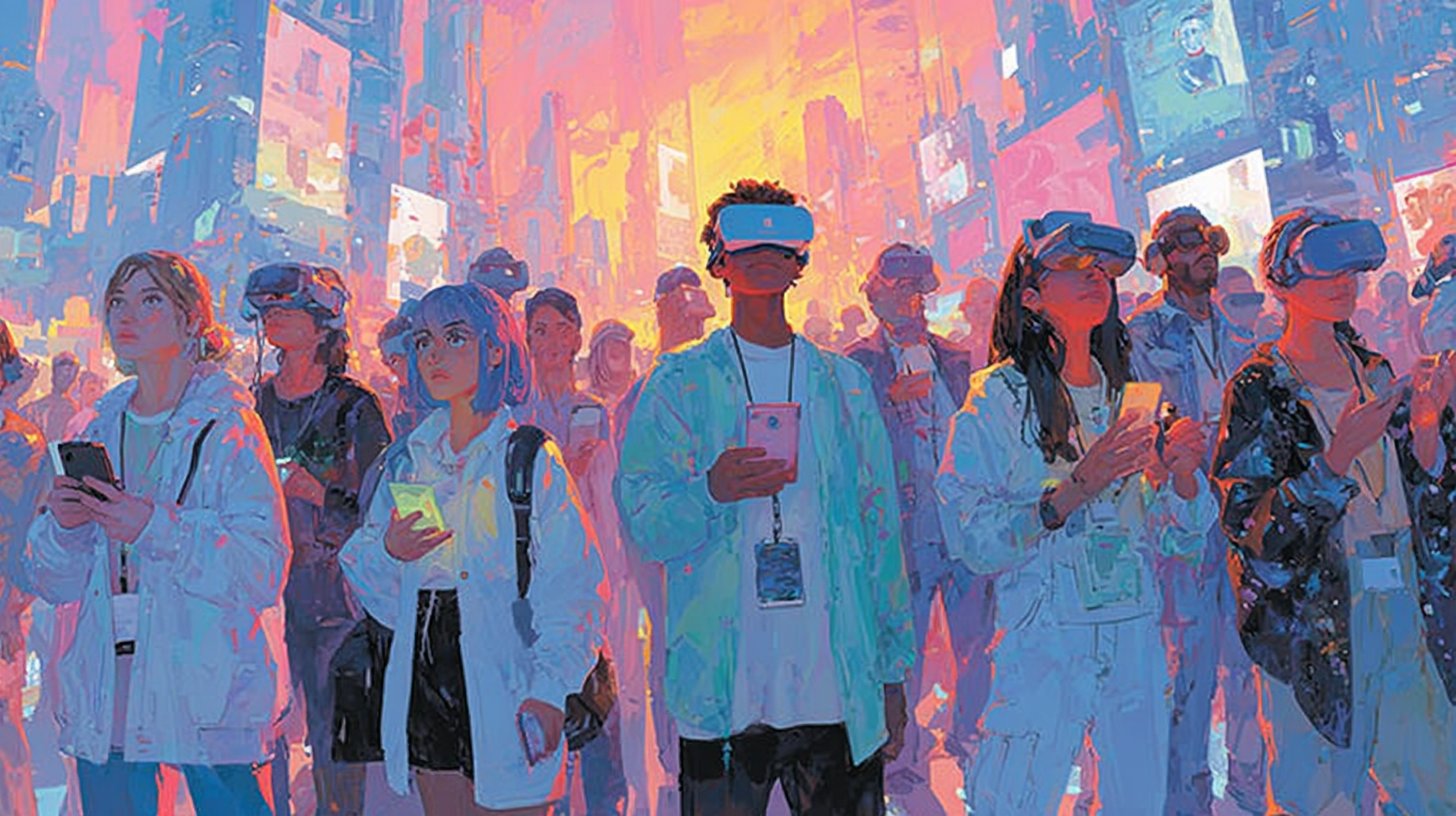
Events like street food markets, concerts, or neighborhood festivals are excellent opportunities to strengthen social bonds and promote a sense of community. When people share their experiences and tell new stories, they create a deeper connection with each other. Thus, a fleeting acquaintance can quickly transform into a lasting friendship that enriches city life.
In summary, both the design of public squares and architecture play a central role in how friendships can emerge in urban environments. Through creative design and the use of technologies, cities can become places that foster social interaction and allow friendships to flourish. Ultimately, it is about creating spaces that enrich people's lives and promote a sense of community.
The next time you stroll through your city, pay attention to the spaces around you. Where do you meet the most people? Which places seem particularly inviting? By actively engaging with these questions, we can become a city that not only looks beautiful but also promotes the social well-being of its residents.