
How sports strengthen children's self-esteem
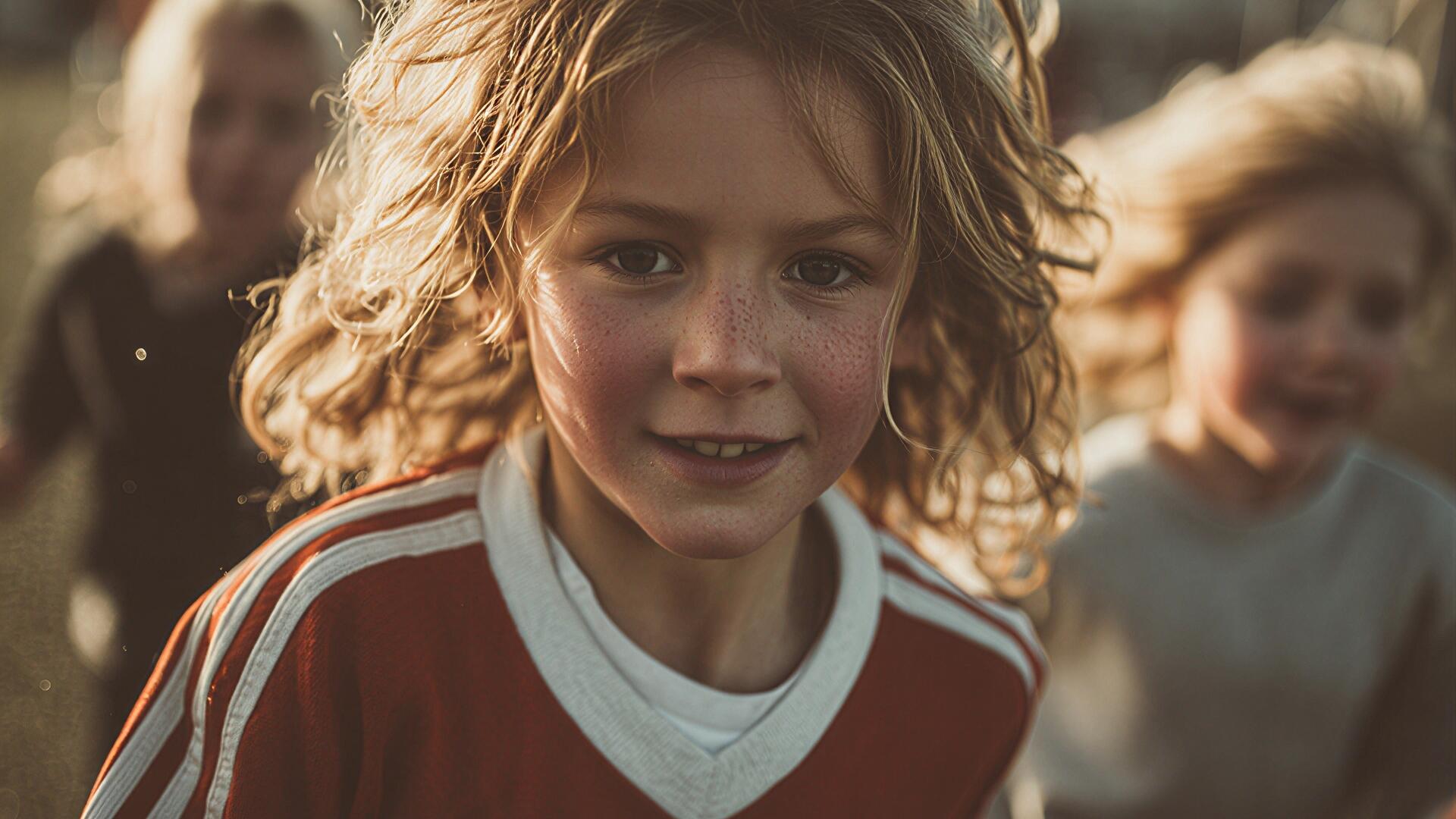

Sports are much more than just movement or a pastime for children. It plays a crucial role in the development of their self-esteem. On harmonie.de, we want to show you how physical activity not only promotes physical health but also strengthens children's mental fortitude and self-worth. In this article, you will learn about the benefits of sports for children, how it fosters social interaction, and how parents can support their children in developing a positive attitude toward sports and movement. We will look at how different sports can help children feel more secure, develop teamwork, and cope better with challenges.
One of the most remarkable effects of sports on children's self-esteem is the improvement of their physical abilities. When children are active regularly, they learn what their bodies can achieve. Whether running, playing, or swimming – each small success ensures that they feel stronger and more confident. By exceeding their limits and learning new skills, self-confidence grows. The feeling of having achieved something, whether it’s a new record in running or just overcoming shyness in PE class, has a huge impact on children's self-image.


The benefits of team sports
Team sports are particularly valuable for the development of self-esteem. They give children the opportunity to engage in a community and take on responsibility. Playfully, they learn how important teamwork is and how they can achieve goals together with others. In doing so, they develop not only skills like communication and collaboration but also valuable social support. When children feel like part of a team, they gain an additional boost in self-confidence and motivation. These experiences can have a positive impact on their entire lives, as they learn to present themselves confidently in various social contexts.
Another important aspect of team sports is dealing with defeats. Children learn that it’s not always about winning but about having fun and the opportunities to improve. Defeats can be painful, but they also represent a chance for personal growth. Confronting setbacks fosters resilience and teaches children not to be discouraged. As they learn that mistakes are a natural part of the learning process, they strengthen their self-esteem and develop a healthier relationship with competition.
Sports and social skills
Sports also support children's social skills. Through playing in teams or groups, children meet peers, learn to form new friendships, and build social networks. These social interactions are crucial for the development of strong self-esteem. When children receive positive reinforcement from their teammates, coaches, or parents, they feel valued and accepted. Such experiences strengthen their trust in their own social skills and enable them to act more confidently outside of sports.
Furthermore, sports promote dealing with diversity. In a team, children from different backgrounds and cultures typically interact. Working together on an activity breaks down prejudices and fosters mutual understanding. These experiences are particularly valuable as they prepare children to live in a diverse society. They learn to accept differences and grow together – which, in turn, boosts their self-esteem and helps them cope positively with challenges.
Parents and sports engagement
Parents play a crucial role in how children experience and perceive sports. By encouraging their children to try out sports and become active, they show them that movement is important and fun. Parents can help their children by actively participating in sports events or accompanying them to training sessions. Celebrating small successes can also help strengthen children's motivation to stay active and take on new challenges.
Another important point is creating a positive environment. Instead of putting pressure on children to perform exceptionally well, they should be encouraged to simply do their best and enjoy movement. This helps develop a healthy attitude towards sports and reduces the fear of failure. When children feel that their parents appreciate their efforts, regardless of the outcome, it can sustainably strengthen their self-esteem.