
How Networks Redefine Friendships
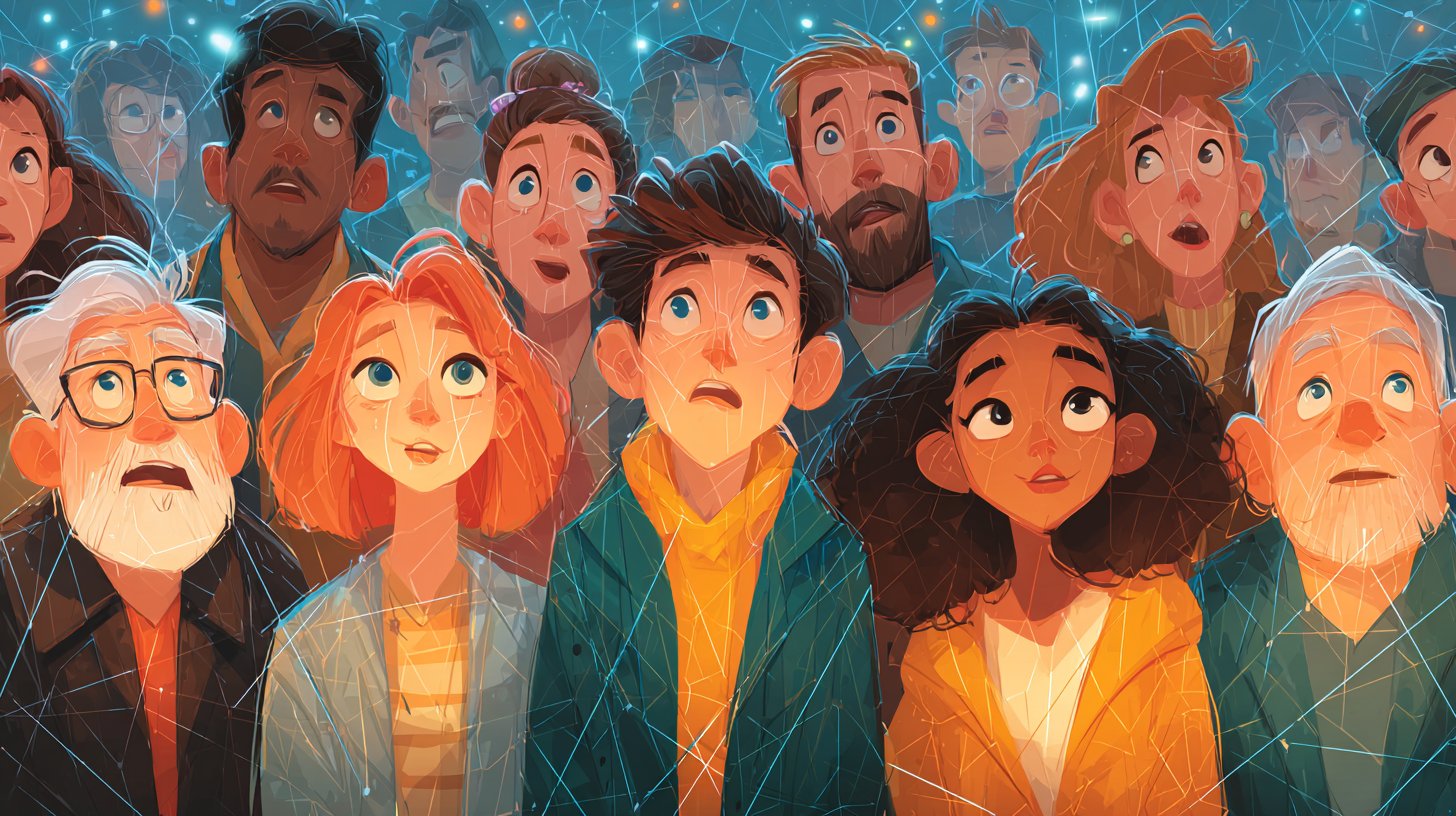

Friendship, understanding, community — these terms shape our social interaction more than ever. In a world where digital networks increasingly dictate our everyday lives, our understanding of friendship is also changing. While personal contact used to be paramount, we are now witnessing a transformation that presents both challenges and opportunities. Let's take the time to explore these changes and understand what they mean for our relationships.
First, we should make ourselves aware of what friendship means to us. In recent years, the concept of friendship has changed significantly. In the past, it was often shared experiences and memories that brought us together. Today, it may sometimes just be a few clicks and likes on social media that define whether someone is considered a friend or not. The platforms allow us to connect with many people — often across great distances. But does the depth of these relationships accompany this quantitative approach? Or is the virtuality of friendship a fleeting convenience that cannot compare to genuine encounters?


The Benefits of Virtual Friendships
There are definitely advantages that virtual friendships bring. One of the biggest pluses is accessibility. You can stay in touch with friends around the world without overcoming physical distance. As a result, friendships that may never have been feasible in reality get a chance to develop. These relationships can often be very enriching by bringing different perspectives and experiences into your life that you might not encounter in your daily routine. Additionally, digital communication tools greatly expand the possibilities of exchanging ideas about your interests. Your passion for a hobby, a sport, or a topic can connect you with like-minded individuals you would never have met otherwise.

The Downsides of Digital Friendship
However, there are also downsides. Virtual friendships can often remain surface-level. In the physical world, gestures, hugs, and personal contact are crucial for a deeper bond. The absence of these elements can make the friendship feel rather impersonal. Furthermore, there is the danger of moving in a bubble where you are only confronted with opinions and ideas that repeat your own. This can lead to missing important discourses and new perspectives that you would experience in personal meetings. The risk of alienation, despondency, or even loneliness should not be underestimated in a world filled with digital interactions.

Finding the Balance
Like everything in life, the most important thing is to find a balance. Use the advantages of the digital world to find friends and expand your social networks, but don't forget the importance of real, personal contact. Try to plan phone calls or in-person meetings with friends you have met online. These experiences can help deepen the friendship and add a new dimension to the relationship. Remember that each friendship has its own rhythm and style. You are the one who can decide how much of your energy and time should flow into each relationship.

In conclusion, friendships in the digital age offer both advantages and challenges. It is up to us to accept these changes and actively shape how we nurture our relationships. By combining the strengths of the virtual world with the depth and intimacy of personal encounters, we can create a rich blend that enhances our lives in many ways. In times when many people feel lonely, recognizing the value of genuine friendship can be a source of strength. Take your time to not only maintain contact with your virtual friends but also to nurture and cherish the real bonds that are important to you.