
How Cultural Education Promotes the Development of Children
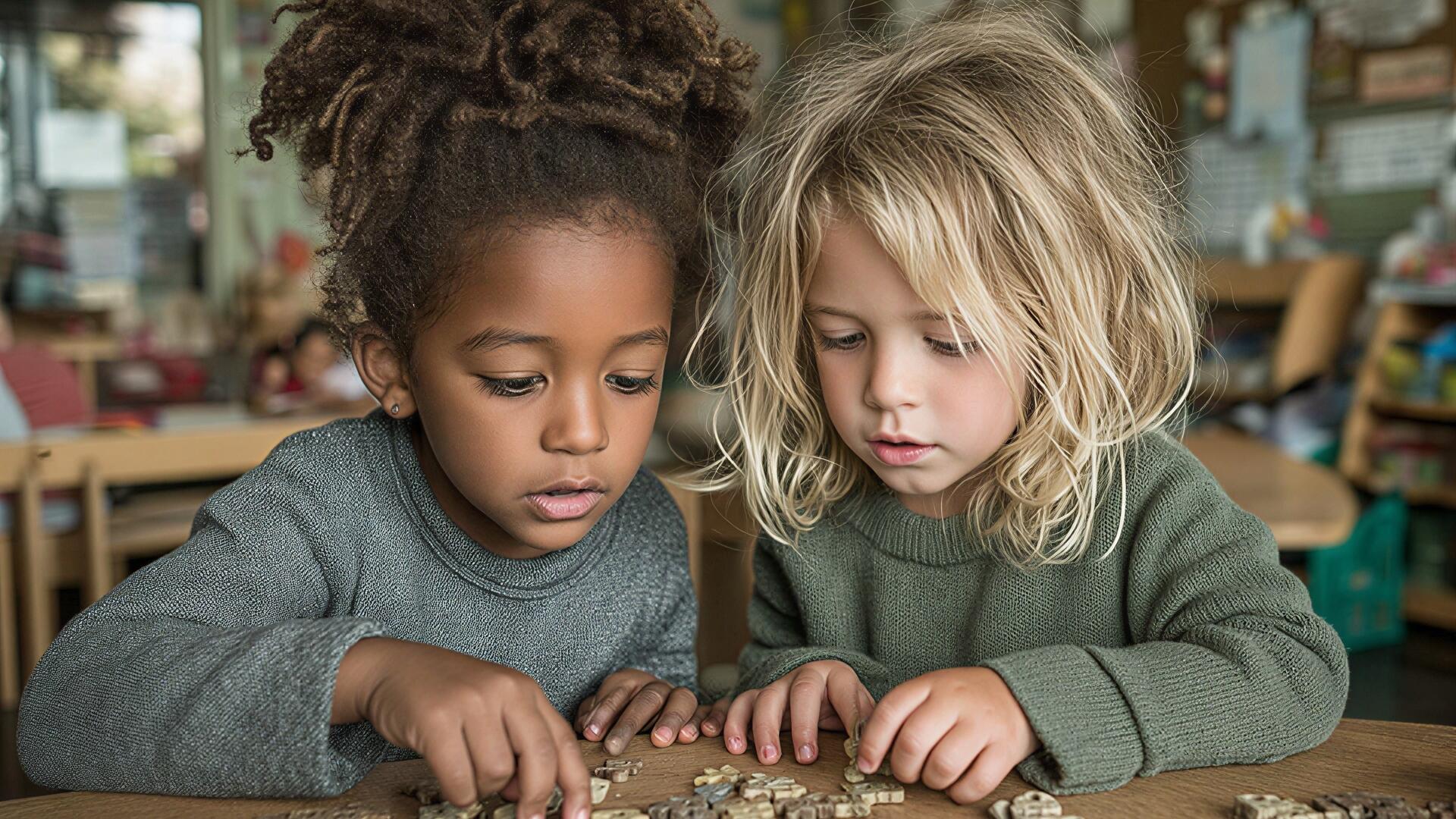

Cultural education has a decisive influence on the development of children. It not only opens up new perspectives but also fosters creativity and critical thinking. At harmonie.de, we deal with topics that strengthen family relationships and support inner growth. In this article, you will learn how cultural education helps children develop self-confidence and build strong social bonds, which are essential for a harmonious childhood.
The foundations of cultural education are based on the transmission of art, music, literature, and other forms of cultural expression. Children who grow up in a cultural environment have the opportunity to discover their own interests and talents. It's about providing them with a space where they can unleash their creativity and express their thoughts and feelings. For example, theater projects can not only promote creative thinking but also strengthen self-confidence and teamwork. Through the shared experience of art, children learn to understand and respect different perspectives.


Influence on Social Skills
Cultural education promotes not only creative skills but also social competencies. Children who participate in cultural activities often learn to communicate better with others and express their emotions. In group projects, such as shared painting or making music, teamwork and empathy are strengthened. These are essential skills that help them succeed both in school and later in professional life.
Furthermore, creative activities can serve as a vent for emotional expression. Children often find it difficult to verbalize their feelings, and this is where art can help. When children paint or make music, they process their emotions in an accessible way. This form of expression can be particularly beneficial for children who struggle to cope in social situations.
Cultural Education and Identity
Another important aspect of cultural education is identity development. By learning cultural traditions and engaging with their own culture as well as the culture of others, children can develop a better understanding of themselves and their surroundings. This helps them develop a sense of belonging and shape their own identity.
Additionally, engaging with different cultures strengthens intercultural awareness. Children learn that diversity is valuable and that other ways of life and ways of thinking are enriching. This insight is particularly important in our increasingly globalized world, where respectful coexistence is essential.
To promote cultural education, it is helpful to incorporate regular visits to museums, theaters, or concerts. Such experiences can awaken children’s interest in art and culture and stimulate their curiosity. Families can also initiate creative projects together, which not only supports cultural education but also strengthens the bond within the family.
Conclusion and Recommendations for Action
In summary, cultural education plays a fundamental role in the development of children. It promotes not only creative and social skills but also aids in identity formation. By integrating cultural activities into your children’s daily lives, you support their holistic development and create space for inner growth.
Implement this concretely by starting a cultural project together with your child in the coming weeks. This could be a joint crafting session, a visit to a museum, or learning a musical instrument. Ensure that the child is actively involved and can contribute their own ideas to make the experience enriching and motivating.
Ultimately, engaging with art and culture leads to children growing up not only as confident and creative individuals but also as empathetic and open-minded members of society. Let cultural education become a part of your family life to support the positive development of your children.