
How to find a balance in relationships
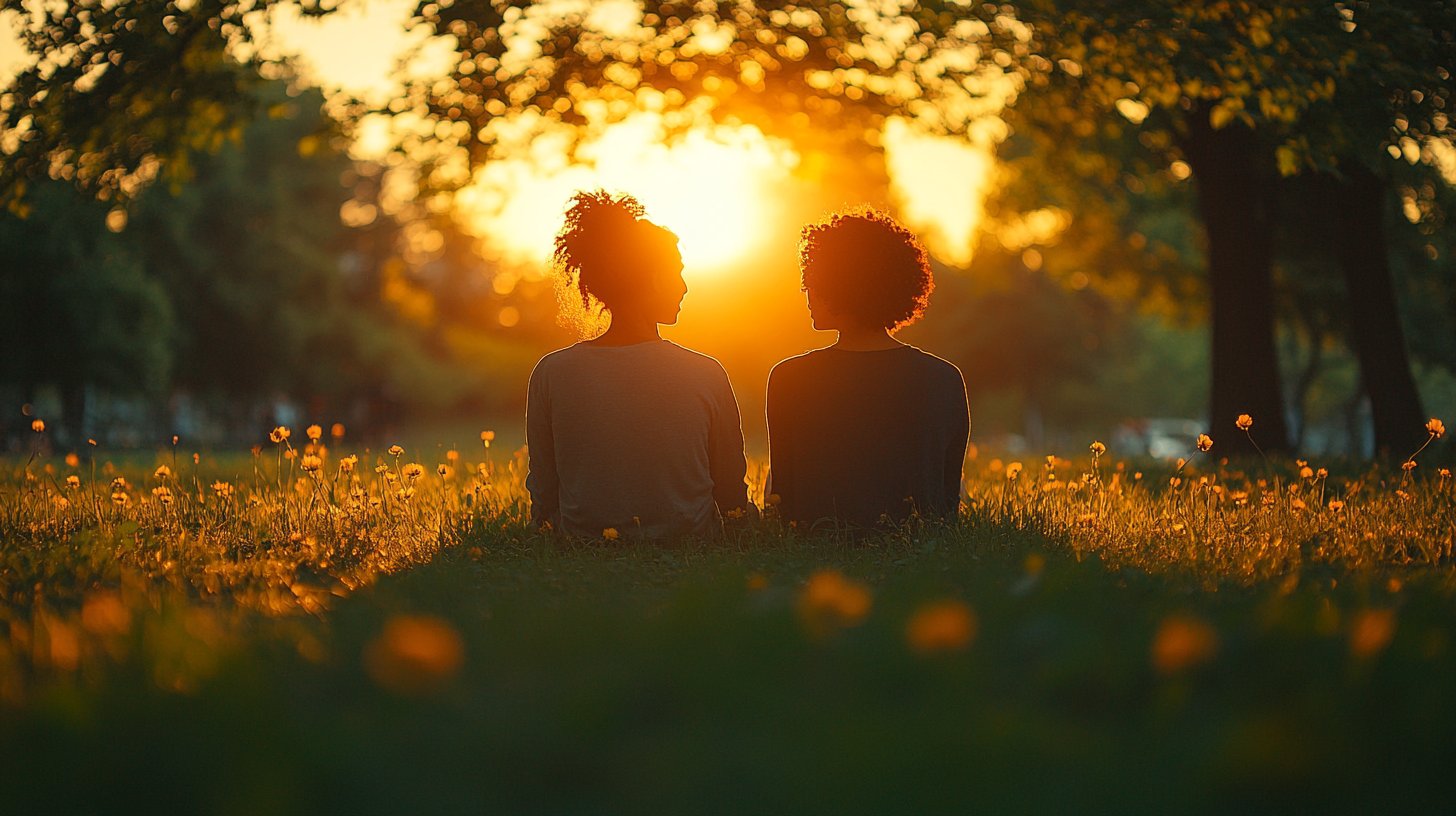

Life is a balancing act between closeness, distance, and trust. These three aspects are crucial for any relationship, whether romantic, familial, or friendly. Sometimes we cannot escape the challenges of this dynamic, and it is important to find ways to enjoy not only the highs but also the lows of our connections.
In relationships, it is perfectly normal to feel closer or more distant at times. Closeness can bring security and intimacy, while distance can lead to feelings of loneliness. The challenge is to find a balance that works for everyone involved. It is often helpful to remember that there are phases in any relationship – phases of closeness, where we are connected to one another, and phases of distance, where we are individuals with our own needs and desires.


Building trust and security
A strong foundation in any relationship is built on trust and security. When we feel comfortable and safe in a relationship, we are more likely to open up emotionally and allow closeness. To build trust, it is important to communicate openly and honestly. Share your thoughts and feelings with your partner or friend and encourage them to do the same. This creates an atmosphere where everyone can feel safe expressing their needs and desires. When both partners are willing to be vulnerable and work on the relationship, closeness can grow naturally.

The importance of self-care
Self-care is a crucial aspect of finding a healthy balance between closeness and distance. Often, we tend to lose ourselves in relationships and neglect our own needs. To avoid this, it is important to schedule time for ourselves and pursue activities that bring us joy. By staying true to our own identity and valuing ourselves, we can find a better balance between what we do for others and what nourishes us. This, in turn, strengthens our relationships as we can return with a clear head and a full heart.

The art of communication
Open and effective communication is key to overcoming obstacles in relationships. Often, misunderstandings between closeness and distance can lead to conflicts. By discussing our needs, fears, and desires together, we better understand where the other person is coming from. It can be helpful to set specific time slots for regular communication. This can serve as a form of 'relationship maintenance' to ensure that both partners are on the same wavelength and support each other. Open discussions about closeness and distance are not always easy, but they can significantly clarify misunderstandings.

Ultimately, finding the right balance between closeness and distance in relationships is an ongoing process. It requires patience, flexibility, and a certain degree of self-reflection. When we are willing to work on ourselves and understand the dynamics within our relationships, we can build deeper and more fulfilling connections with others. By maintaining open communication and taking care of ourselves, we can foster healthy relationships that offer us both joy and stability.
In summary, managing closeness and distance in relationships can be both challenging and enriching. It all depends on how well we understand ourselves and what steps we take to promote our well-being and that of our relationships. By developing trust, practicing self-care, and improving our communication skills, we can find the balance we seek. This enables us to enjoy not only the highs but also the lows of interpersonal relationships with joy and serenity.