
Way out of the emotional trap after a toxic relationship


Leaving a narcissist is one of the most painful experiences in life. It can shake self-esteem, trust in others, and one's own identity. Many people wonder how they can escape this emotional trap. In this article, we shed light on the backgrounds of this special breakup and offer practical tips for healing.
When we think of narcissism, we often associate it with a charming exterior and a captivating aura. However, behind this facade lies a deep emotional imbalance that heavily burdens not only the narcissist but also their surroundings. In relationships with narcissists, an intense idealization is often experienced at the beginning, which can be very attractive to those affected. However, over time, this relationship can put a significant strain on the partner's emotional health. It is important to become aware of this dynamic in order to avoid losing one's own reality and not to lose oneself in a toxic spiral.

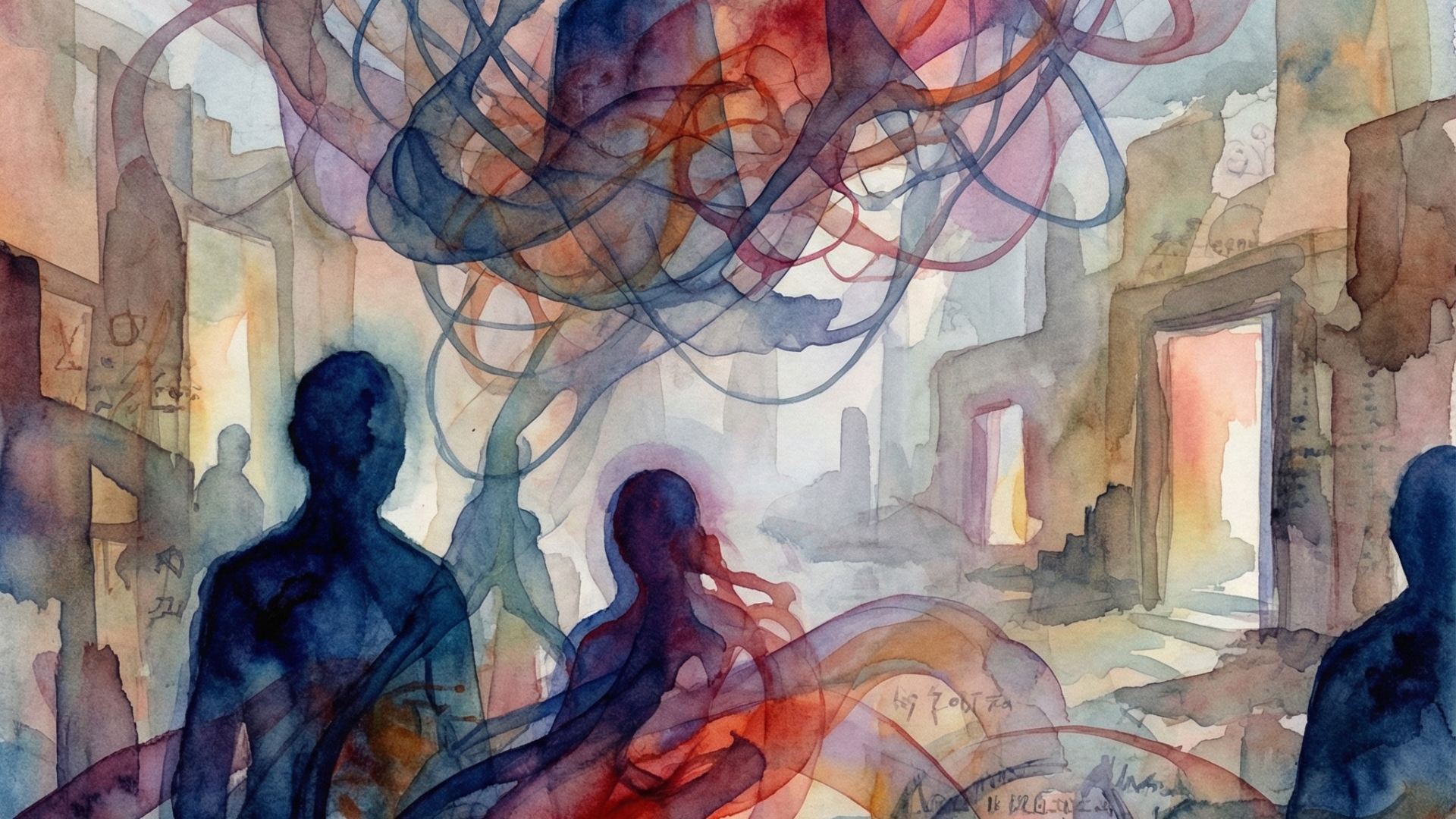
Acknowledging the pain
The first and perhaps most challenging task after the breakup is recognizing and accepting the pain. Many try to suppress or downplay this pain. But that is a mistake. The loss of such a relationship can be equated with the loss of a part of one's identity. It is important to allow the pain, to feel it, and to give it space. Only then can healing begin. Speak openly with friends and family, write in a diary, or consider seeking professional help.

Rebuilding self-esteem
After a relationship with a narcissist, many people suffer from significantly weakened self-esteem. Narcissists often manipulate their partner's self-image and make them doubt themselves. To break this cycle, it is crucial to actively work on restoring one's own self-worth. Set small, achievable goals to accumulate positive experiences. This can be as simple as learning a new skill or pursuing a hobby. At the same time, you should stay away from negative influences and maintain social contacts that are good for you and encourage you.

Fostering healthy relationships
The final phase of healing consists of fostering healthy, supportive relationships. Learn to set clear boundaries and recognize the warning signs of negative behaviors early. Familiarize yourself with people who have a healthy self-esteem and make you feel valued. It can also be helpful to join support groups or attend personal development workshops. This way, you can not only benefit from the experiences of others but also expand your own network and form new friendships.

In summary, it can be said that the breakup with a narcissist is a challenging and painful journey. It requires time, patience, and courage to navigate this transition. However, by acknowledging the pain, rebuilding your self-esteem, and fostering healthy relationships, you can not only heal but also develop an even stronger and more authentic version of yourself. Do not be discouraged: every step in this direction is a step towards more joy and quality of life. Remember that you are not alone and that life can also be full of joy for you.