
Promote environmental awareness in children
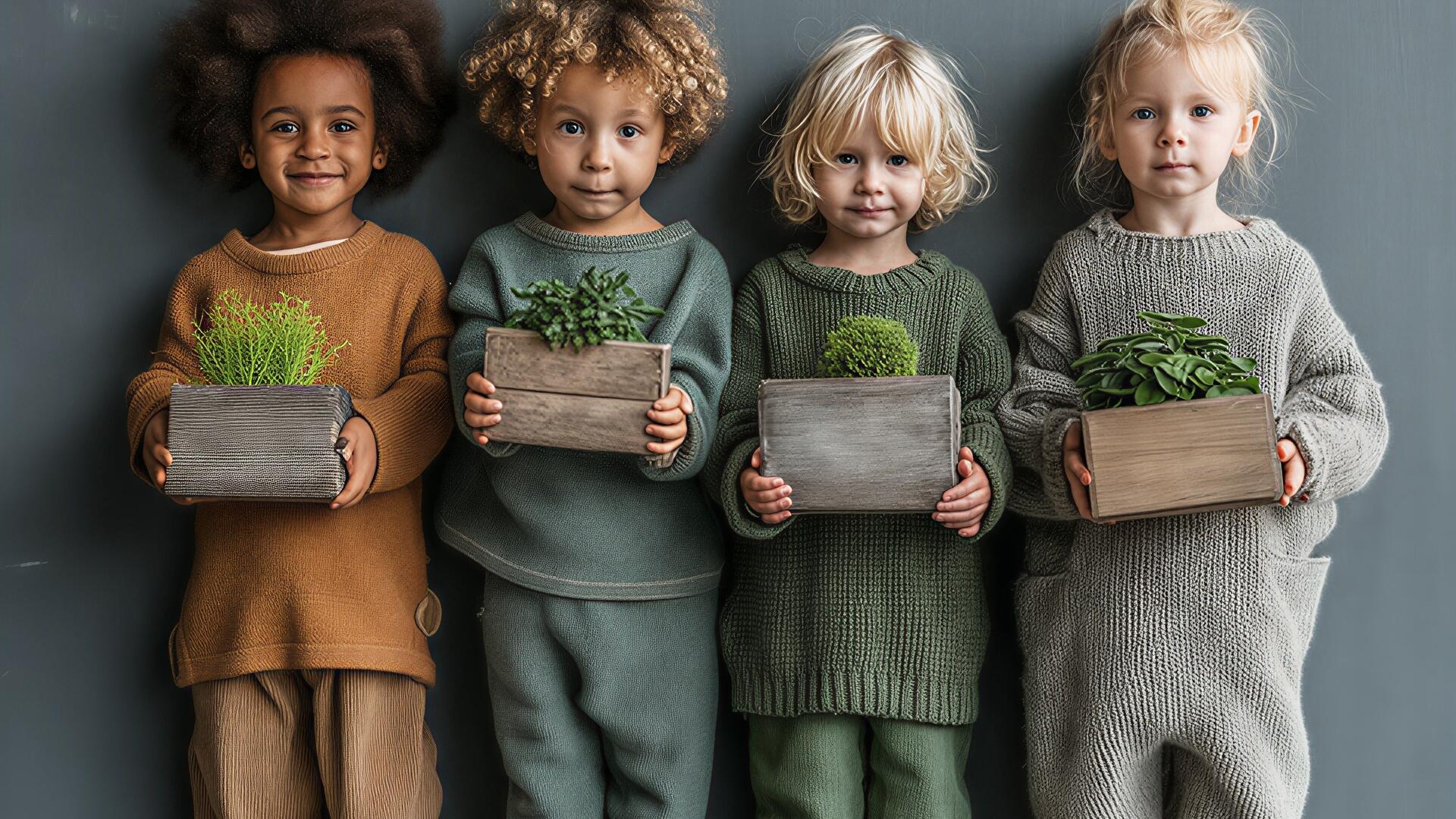

In a world increasingly characterized by environmental problems, it is more important than ever to sensitize children to environmentally conscious behavior. Parents play a central role here, as they have the opportunity to instill values and attitudes in their children that will accompany them throughout their lives. Elternarea.com is a valuable platform that provides comprehensive information and tips to help families navigate the various phases of parenting. From pregnancy to raising small children, the site supports you in not only creating a harmonious family environment but also in promoting environmental awareness and responsibility. Let's explore together how you can help your children respect nature.
A first step in educating children about environmental issues is to bring them closer to nature. Take your children on outings to the forest, the sea, or the mountains. Let them discover the diversity of nature and feel what it means to live in an intact environment. Explain how plants grow, how animals live, and how the interplay of elements like weather and soil affects the environment. The more they experience nature, the greater their interest and respect for the environment will be. You can also work together in the garden to experience the cycle of nature firsthand. This way, children learn to take responsibility for living beings and appreciate their significance.
Furthermore, it is essential to address the importance of recycling and sustainable consumption behavior early on. Explain to your children where their waste goes and how recycling works. Make it fun by setting up a recycling station at home. Kids' waste separation can become an exciting competition as they playfully learn how important it is to conserve resources. Conscious shopping can also be part of the learning process. Let your children help with grocery shopping and discuss with them which products are more environmentally friendly. Visit markets that offer local and organic products to raise awareness of healthy eating and the purchase of local goods.


Everyday practices for families
Environmental awareness can be integrated into family life. You can introduce simple routines in household life that sharpen your children's environmental awareness. For example, consciously turning off lights in unused rooms or reducing the water temperature when showering. Talk about how these small actions contribute to a positive environmental impact. Also, implement seasonal rituals, such as planting a tree or creating a small vegetable garden. This way, children learn not only to take responsibility but also that environmental awareness can be enjoyable. Every positive action counts and becomes ingrained in the hearts of children.
Another important point is to have an open dialogue about environmental issues. Inform yourself about current environmental problems and talk to your children about them without overwhelming them. Help them understand the connections and allow them to develop their own thoughts and questions. This can happen, for example, through visits to environmental education institutions or interactive workshops where children can learn through play. By understanding how air pollution, waste, and climate change affect the world, you foster their critical thinking and empathy. Show them that they can also make a difference, regardless of their age.
Additionally, you can emphasize the importance of community and collaboration. Encourage your children to participate in local environmental projects or volunteer actions. Here, they can meet peers who share similar values. This kind of social interaction inspires and motivates children to continue advocating for the environment in the future. Whether it's planting trees, cleaning up a park, or participating in a school project: the experiences they gain will help them act in an environmentally conscious way throughout their lives.
The role of role models
A key factor in raising environmentally conscious children is the role models in their lives. Children often learn by imitation, so it is important that you as a parent act environmentally consciously. Show the proper handling of resources, whether through waste separation, choosing sustainable products, or using public transportation. When you make environmentally friendly decisions, they convey a clear impression that these values are important. Talk about your decisions and the reasons behind them—this way, kids understand that it is about more than just a duty. It becomes a way of life!
Furthermore, it makes sense to teach children love for nature. You can visit animal shelters together to teach respectful treatment of animals or discover engagement for nature conservation. These activities promote understanding and care for all living beings. Within the family circle, you can discuss the state of nature and lead by example by shopping in sustainable stores and discussing environmental issues. This way, children learn from you that there are many ways to advocate for the preservation of our planet.
Finally, it is important to consolidate what has been learned and regularly reflect on it. Set aside regular family meetings to talk about your environmentally conscious practices and how you can further improve them. This not only promotes awareness but also strengthens family cohesion. You can also plan a joint project, such as an environmental festival or a family outing with specific ecological goals. Be creative and make engaging with the environment an exciting and inspiring part of your family life.
Summary and conclusion
In summary, educating environmentally conscious children is a valuable life lesson associated with many positive aspects. By experiencing nature, understanding cycles, promoting sustainable behavior, and creating a positive environment, parents encourage their children to take responsibility. Involvement in community projects and the role model function are key factors to sharpen environmental awareness and convey sustainable values. This helps not only the children but also society as a whole.
Raising environmentally conscious children is a process that requires time and patience. It is important to maintain open and honest communication and give your children space to ask questions and develop their own opinions. Starting with small steps and then transitioning to a conscious lifestyle will not only protect the environment but also promote family cohesion. Remember that you live the changes you want to see in the world—your children will thank you!
In conclusion, I wish you much joy in discovering and promoting your children's environmental awareness. Let yourselves be inspired to develop projects together that strengthen the love for nature. Every small engagement counts—together you create a better future for yourselves and future generations. With a strong environmental awareness, not only is the earth strengthened, but also family bonds. In the end, it is this passion that promotes a lifelong commitment to the planet.