
Tips for Positive Discipline of Toddlers
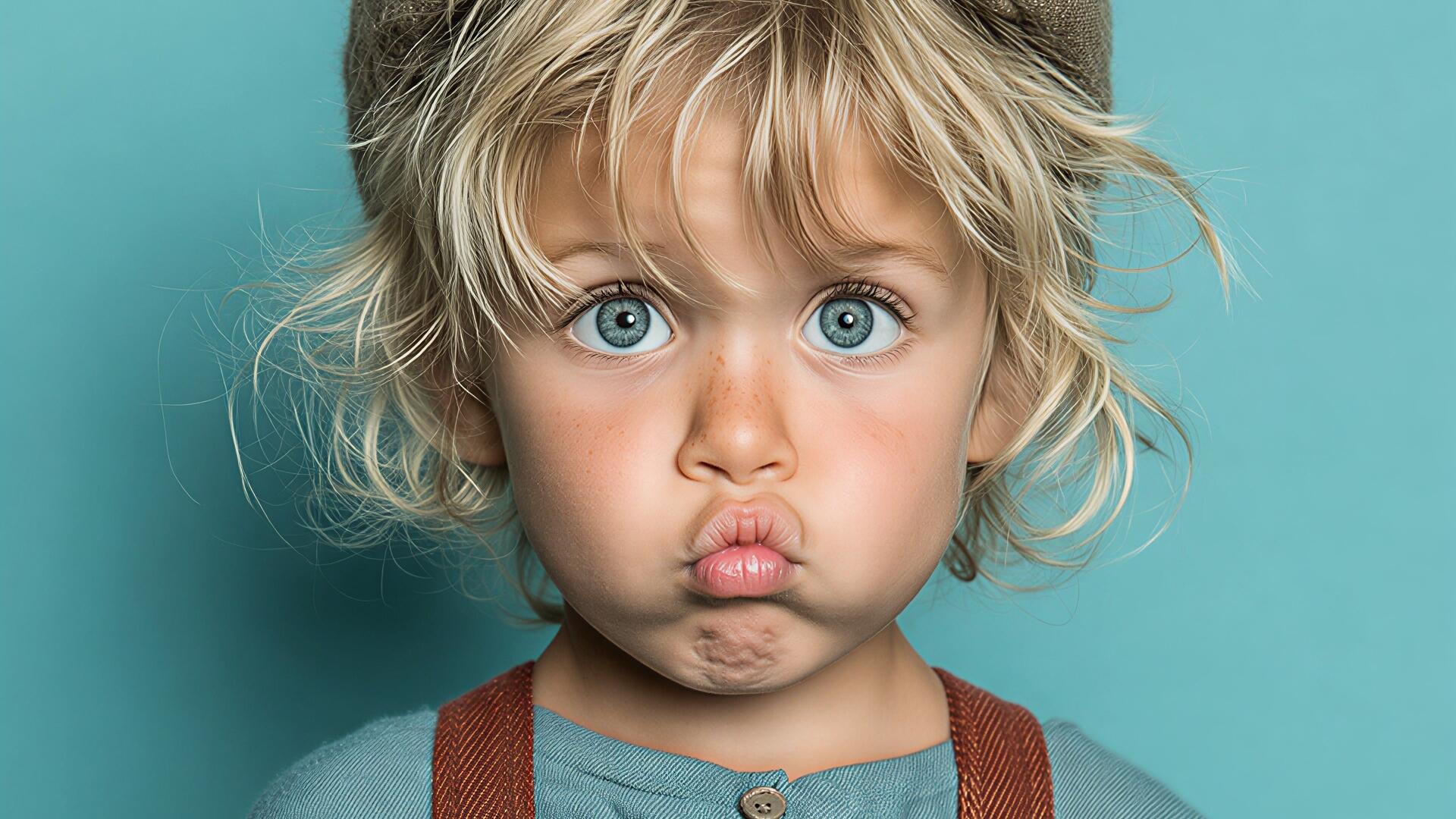

Positive discipline of toddlers is a central theme that affects every family. It is important to teach children values and boundaries, but at the same time, the process should be designed to be loving and supportive. At instaparents.com, you will find numerous resources and tips specifically developed to support parents in every phase of their children's development. Together, we can create an environment where children grow up safe and develop into confident, happy individuals. In this article, you will learn how to effectively implement positive discipline.
To promote positive discipline, it is important to establish clear rules. Children need structure and routine to understand what is expected of them. Start with simple, understandable rules that your child can relate to. Instead of prohibitions, you can also offer alternatives, which are often easier for children to accept. For example, instead of simply saying, "You can't do that!" you could offer: "Let's do this together instead!" This way, the child is involved in the decision-making process.


The Importance of Consequences
Consequences are an important part of discipline. However, they should always be logical and understandable. If your child breaks a rule, the ensuing consequence must be clear. Explain to your child the connection between actions and outcomes. For example, if they don't clean up the toys, they cannot play with them for a certain period of time. Ensure that the consequences are not punitive but educational.
Another important point is that consequences must take effect promptly. If you wait too long to respond to behavior, your child will not understand the connection between their behavior and the consequence. Real-life examples can help clarify these rules. You might say: "I noticed that you didn't share well with your brother. Therefore, you now have the chance to make it better by giving him a toy now."
It is also important how you deal with mistakes. Children make mistakes, and that is completely normal. Positive discipline means learning from missteps and growing. Encourage your child to admit mistakes, and praise them for the courage to improve. This attitude not only fosters self-esteem but also respect for others.
Emotional Support
Emotional support is a crucial component of positive discipline. Children respond to the emotions of the adults around them. Therefore, it is important to set an example for emotional intelligence. Show your child that it is okay to have feelings, whether they are positive or negative. Help your child express their emotions and enable them to communicate openly even in difficult situations.
Creating a safe space for the child, where they can express their emotions without fear, is also of great importance. When you create an atmosphere of safety and support, children are more willing to talk about their problems and seek solutions. An example could be that after a tantrum, you try to calm the child down and discuss together what they felt.
Summary and Outlook
In summary, positive discipline is a powerful tool for teaching children to take responsibility for their behavior. It requires patience and commitment from parents, but the long-term benefits are invaluable. Children who experience positive discipline develop greater self-awareness and a better understanding of how their actions affect others.
Use the approaches mentioned above to establish positive discipline in your family life. Remember, it's not about being perfect, but about providing your child with the necessary support and guidance to become independent and responsible. With love and patience, discipline will become a natural part of daily life.