
Talking to Children About Feelings: A Guide
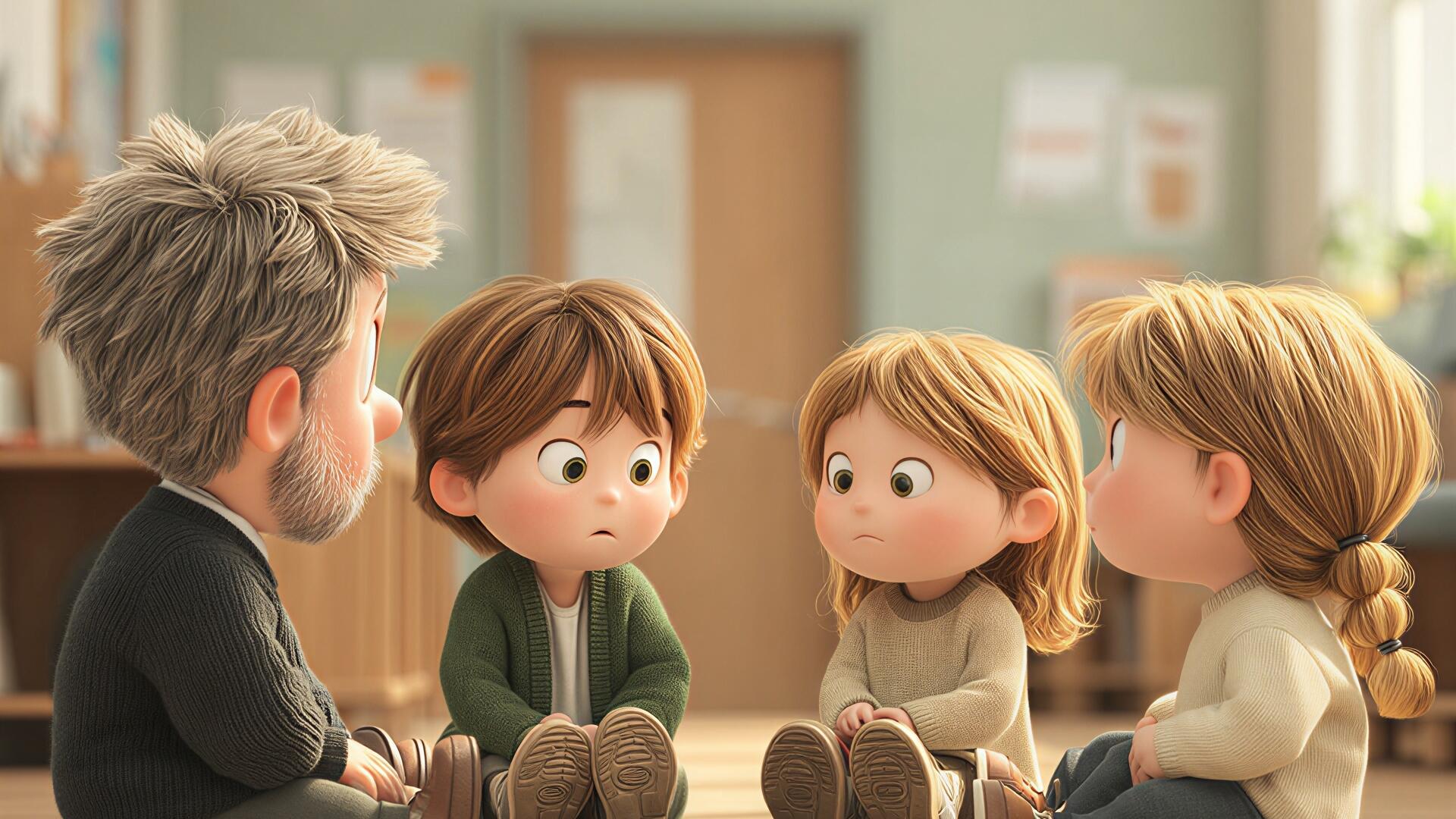

Talking about feelings is an essential part of child development. Equipped with valuable information on instaparents.com, we want to help you communicate with your children about their emotions. In today’s world, where emotional intelligence is becoming increasingly important, it is crucial to take the time to support the little people in your life in naming and expressing their feelings. Whether they are happy, sad, or angry – you will learn how to accompany them in understanding and regulating their emotions. This ability will not only strengthen their self-confidence but also their relationships with others and their capacity to resolve conflicts healthily.
The first step in talking to your child about feelings is to create an open communication base. You can do this by regularly asking questions and sharing your own emotional state. Start with simple questions: 'How do you feel today?' or 'What has made you happy?'. Encourage your child to talk about their experiences. For example, if your child talks about a conflict with a friend, you can ask: 'What were you feeling at that moment?'. This helps them express themselves better and recognize their emotions. Show patience and understanding – it’s important that your child knows that all feelings are okay.


Sharing Emotional Expressions
It can be helpful to show children what different feelings are. A playful method is using emojis or pictures that represent different emotions. You could play a 'Feeling Game' with your child, where you mimic and guess different emotions. This not only promotes understanding of their own feelings but also of others'. Each time your child can name a feeling they have experienced, praise them for their open communication and willingness to share. This way, they learn that sharing emotions is a sign of strength, not weakness.
Furthermore, it's important to create a safe environment where your child can give not only positive but also negative feedback. Discuss with them how they feel when things are not going well, and how they can express their anger or sadness in a healthy way. You could suggest keeping a 'Anger Hacks' book, where your child notes situations that make them angry and then the methods they use to reflect on or process this anger. This way, they learn not only to regulate their emotions but also become creative in problem-solving.
Emotional Education in Daily Life
The training of emotional knowledge should not be limited to specific conversations. You can also use everyday situations to deepen your child's understanding of emotions. For example, when you watch a movie together, discuss the emotions of the characters. Ask them how they would feel in certain scenes. This makes it more tangible and relevant to your child's thoughts. Experience stays deeper in memory than just theoretical lessons about what it means to be angry or sad.
Moreover, you could implement shared rituals and routines that make talking about feelings easier. For instance, before you start a meal, you could do a quick 'Feeling Round', where everyone at the table shares how they feel. Such habits create regular discussions about emotions and make it easy for your child to talk about their feelings without feeling uncomfortable. They thus become part of every interaction and promote a healthy emotional expression within the family.
In all this, it is important that you act as a role model. Children learn significantly through imitation. So if you talk openly about your feelings, you show your child that they can do the same. Share your daily experiences as well as frustrations or joys, so they can see how you handle emotions. This encourages them to express their own emotions in a safe environment and process them constructively.
The Importance of Emotions
In summary, talking about feelings with children is an extremely important topic in parenting. By learning to talk openly about feelings, you not only promote your child’s emotional intelligence but also their social skills. Emotions influence our actions, and when children learn to understand them, they can respond better to their environment. A strong emotional awareness will help them to be more successful in challenges as well as in relationships.
As with many aspects of parenting, patience is key here as well. It takes time for your child to feel comfortable talking about their feelings. Be an empathetic ear and assure them that you are always ready to listen. It is also important to make clear to your child that it is okay not to be happy all the time and that there is absolutely no pressure to perfectly regulate their feelings in the moment. Every person goes through different phases and feelings, and that is normal.