
Cultural Differences Shape Our Friendships


Friendship, culture, change - these three terms are crucial to understanding how human relationships form across cultural boundaries. Friendships are shaped not only by shared interests but also by diverse backgrounds and traditions that make each individual unique. Let's explore together how cultural differences can influence and enrich our friendships.
Friendships are like flowers. They need the right conditions to grow, and the differences in culture and tradition can be a valuable source of nourishment. For example, if you find a friend from another country, you will not only enjoy their company but also have the opportunity to learn new perspectives and ways of life. In a world where we are coming closer together, it is important to celebrate these differences and leverage diversity to deepen our relationships.


The Root of Friendship
The root of every friendship lies in the connection we build, which is often based on shared experiences and emotions. Cultural backgrounds can expand these experiences in different facets. Perhaps you have a friend who comes from a family where celebrating festivals plays a significant role, while you are from a culture where such festivals are celebrated more modestly. This can change the way you spend time together. For example, if you are invited to your friend's festival, you have the opportunity to experience new traditions and take your friendship to a deeper level.

Another exciting component is communication. The way people express themselves and share their thoughts and emotions is heavily influenced by culture. You may find that your friend has a different way of showing their feelings or resolving conflicts - and that is completely fine! By accepting these differences and learning to navigate them, you can work together on your communication skills. This will strengthen your friendship and make it more resilient, as you better understand each other.
Expectations of Friendships
Another point is the expectations we have regarding friendships. In many cultures, for example, it is common for friends to meet regularly, while in other countries, distance and less frequent meetings are perfectly normal. This can lead to misunderstandings if you and your friend have different ideas about what it means to be a good friend. If you meet regularly with a friend, but your friend feels differently and considers less contact to be normal, this could create tension. Communication is key to clarifying such misunderstandings.
It is important to talk openly about your expectations and reach an agreement that works for both sides. This might mean setting common rules or simply having the understanding that everyone contributes to the friendship in their own way. Such clarity can avoid misunderstandings and lead to strong friendships developing.
Friendship as a Bridge Between Cultures
Friendships can also form a bridge between different cultures. When you have a friend from another country, you not only experience daily life in their culture but can also be an ambassador for your own culture. Perhaps you tell them about traditional festivals in your country or show them how to prepare your favorite dishes. This creates a cultural exchange that strengthens your bond and opens up new horizons.
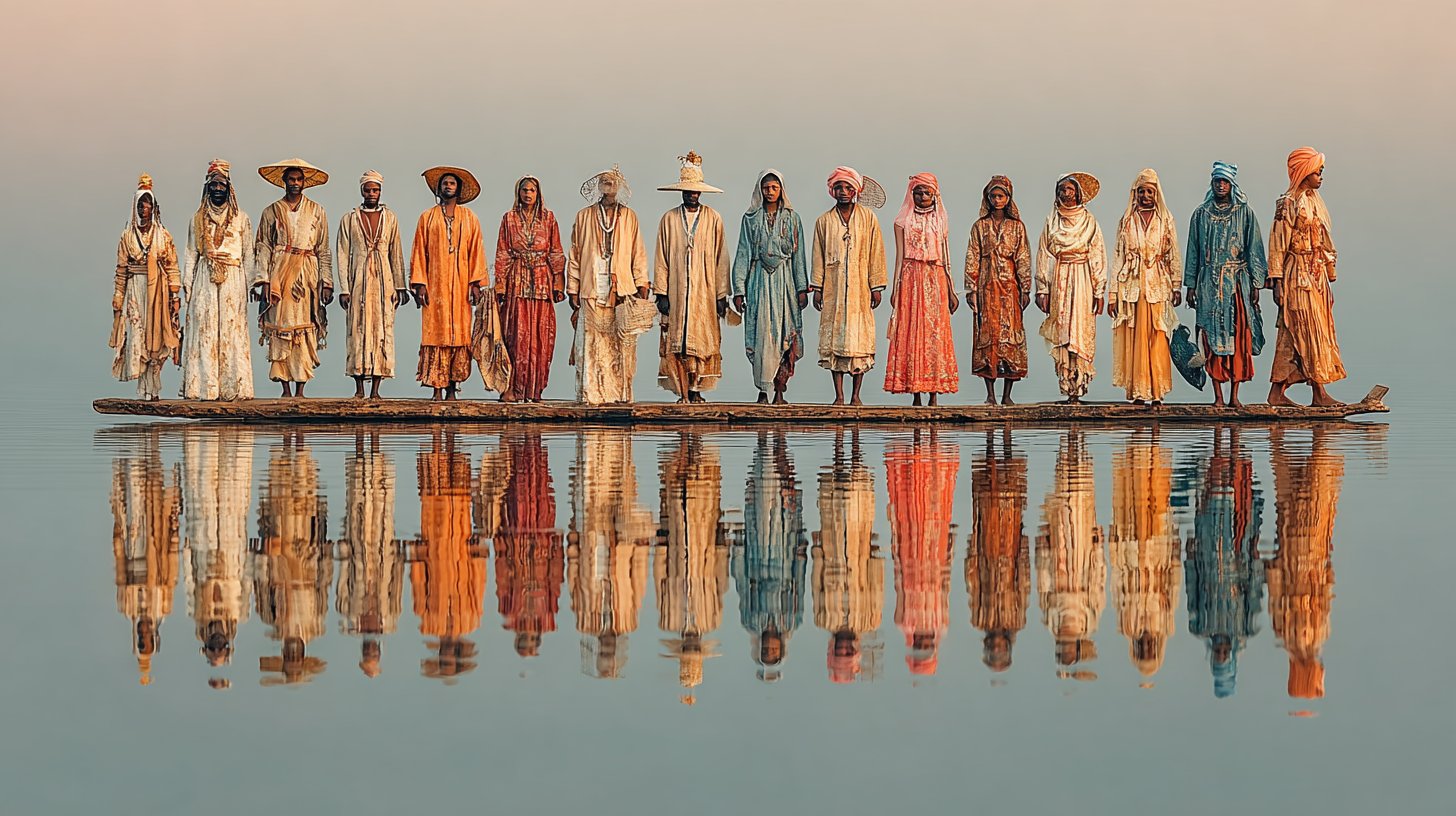
This exchange works in both directions. Your friend can also tell you a lot about their culture, and you will likely be surprised at how fascinating the differences you both share are. That is the allure of an intercultural friendship: you not only expand your own knowledge but also enrich your friend's life by showing them new perspectives.
In conclusion, friendships that cross cultural differences pose challenges but also offer incredible opportunities. By being open to differences, communicating your expectations, and being willing to learn new things, you can build deeper and more meaningful relationships. Do not let the diversity that life offers pass you by unused, and create friendships that not only brighten your days but also provide you with a whole new perspective on the world.