
Fostering Children's Imagination through Role-Playing
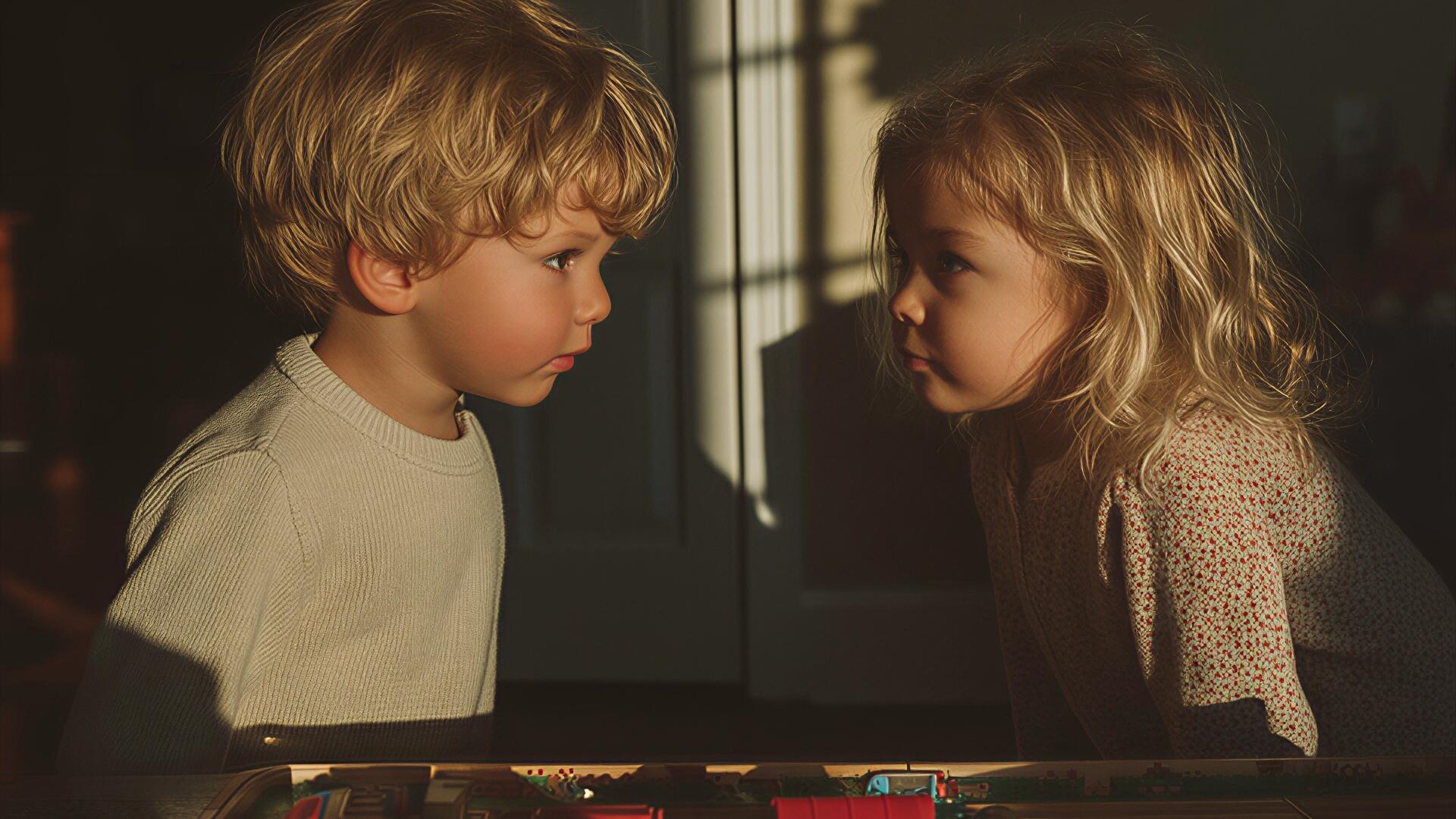

Role-playing is a wonderful way to stimulate children's imagination while also developing important skills. At instaparents.com, we understand how significant it is to support children in their creativity and social development. From birth to school age, children go through various developmental phases that are significantly shaped by play and role-playing. Here we present how you can integrate role-playing into your everyday life and the positive effects it has on your child's development.
Role-playing helps children to empathize with other individuals and reenact different life situations. Whether it's a visit to the doctor, shopping at the supermarket, or an adventure in the jungle – through reenactment, children learn important social skills. They practice language, communication, and conflict resolution in a safe environment. By providing them with props like costumes or toys, you further enhance their creativity. It is exciting to observe how children express their imagination through role-playing while simultaneously working as a team.


Discovering Roles and Identities
One aspect of role-playing is the opportunity to experiment with different roles. Children can dress up as a firefighter, teacher, or even a superhero. This role-playing boosts their self-confidence and allows them to try out various identity-forming activities in a safe environment. By taking on these roles, children learn how to behave in different social contexts, which is important for their future integration into society.
In addition, role-playing can be an excellent way to discuss important topics and fears. If your child, for example, is afraid of the dentist, you could set up a dental practice together and act out the process. In this way, the unfounded fear is alleviated, and it becomes more familiar with the situation.
The fun of role-playing is that they are not only educational but also provide a great opportunity to spend time together. They create a special bond between you and your child while you are being creative and telling stories together.
Integration into Daily Life
There are many ways to integrate role-playing into everyday life. Use daily tasks like shopping or cooking as an opportunity to initiate role-playing. Encourage your child to create a delicious fiction while preparing lunch and take on the role of the head chef. This way, they learn not only about food and cooking but also become more creative.
Another example is the playground. Here, children can develop role-playing games with other children while playing. Dividing into teams and inventing stories fosters teamwork and social interaction. In this environment, children can often further express their creativity.
Conclusion and Outlook
Role-playing is an essential part of children's development. They support not only imagination but also social skills and your child's self-confidence. By regularly scheduling time for such creative games, you invest in your child's development. It is worthwhile to create an environment where your child feels safe and free to play and learn.
Finally, it is important to ensure that role-playing is also adapted and varied. Do not underestimate the significance of feedback and accompanying discussions to give your child the opportunity to reflect on their experiences. This way, every play afternoon becomes a new adventure with many lessons for life.
Harness the power of play! Challenge yourself and your child to discover different roles together and conquer the world. Role-playing is not only fun but also strengthens the bond between the two of you and promotes a healthier, positive development.