
The surprising mechanisms of love in our brain
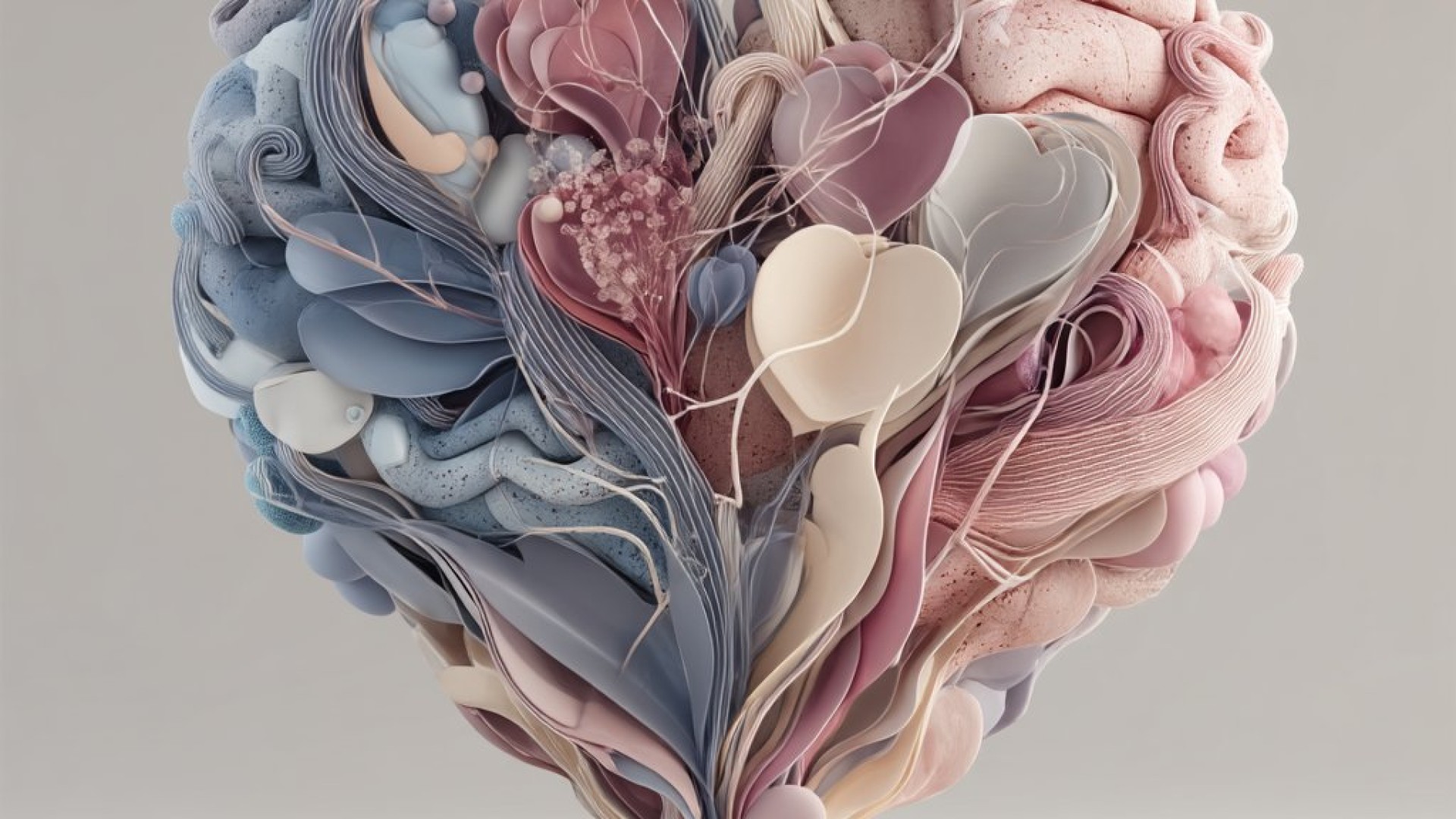

Love is a fascinating and complex feeling that influences our lives in many ways. Whether romantic, platonic, or familial – the relationships we form are primarily controlled by our brain. In this article, we will explore three ways in which the brain stimulates and influences our love, and how we can enrich our experiences.
First of all, we should understand that the brain is a network of chemicals and neurons that govern our emotions. The interplay of hormones and neurotransmitters such as dopamine, oxytocin, and serotonin affects our attraction to others. These chemical reactions can make us euphoric and happy, but they can also evoke complicated feelings. This creates an exciting, yet sometimes confusing foundation for the interpersonal relationships we experience.


The role of chemistry in attraction
When we fall in love, our brains play a crucial role. The release of dopamine creates feelings of happiness and makes us euphoric. This feeling of happiness can sometimes be so intense that we forget the rest of the world around us. It’s as if our brain activates a 'love filter' that highlights only the beautiful and interesting traits of the other person. This biochemical reaction can change our perception of reality and even strengthen or weaken valuable relationships. However, if we rely too much on this chemical feeling, it can lead to overlooking critical aspects of a relationship.
Experiences and memories shape our love
Another important factor is how past experiences and memories influence our perception and the way we love. Every relationship we have had leaves traces in our brain. If we have experienced negative relationships or disappointments in the past, these memories can lead us to unconsciously resist new love or struggle to connect with a new person. This can also influence the so-called 'attachment style,' which develops from our relationship with caregivers in childhood and affects our romantic relationships. To overcome this, it's important to recognize our patterns and work on ourselves.
The interplay of sexuality and emotional bonding
Another aspect that determines our love life is the interplay between sexuality and emotional bonding. Oxytocin, also known as the 'cuddle hormone,' is released during physical intimacy, which enhances the feeling of connection with the partner. This hormone plays a crucial role in how deep our emotional bond is with another person. Physical attraction can therefore be closely linked to our emotional well-being. When we feel loved and secure, it can significantly enhance the quality of our relationships. A conscious approach to both aspects – physical and emotional connection – is essential for experiencing fulfilling relationships.
In summary, our brain is a fascinating place that significantly controls how we love. From the chemical reactions that make our hearts race to the memories that influence our perceptions, love is a complex interplay of biological and psychological factors. By becoming aware of these mechanisms, we can not only better understand our own relationships but also learn how to actively improve the quality of those relationships.
It is important to be open to new experiences, accept ourselves and others, and work on our own patterns. Love can come in many forms, and by understanding our own biological and emotional mechanisms, we can experience the love we both receive and give even more deeply. Remember: love is not just a feeling, but also a conscious decision that—if well nurtured—can lead to a fulfilling life.