
Mastering the Challenges with Certain Types of Men in Life
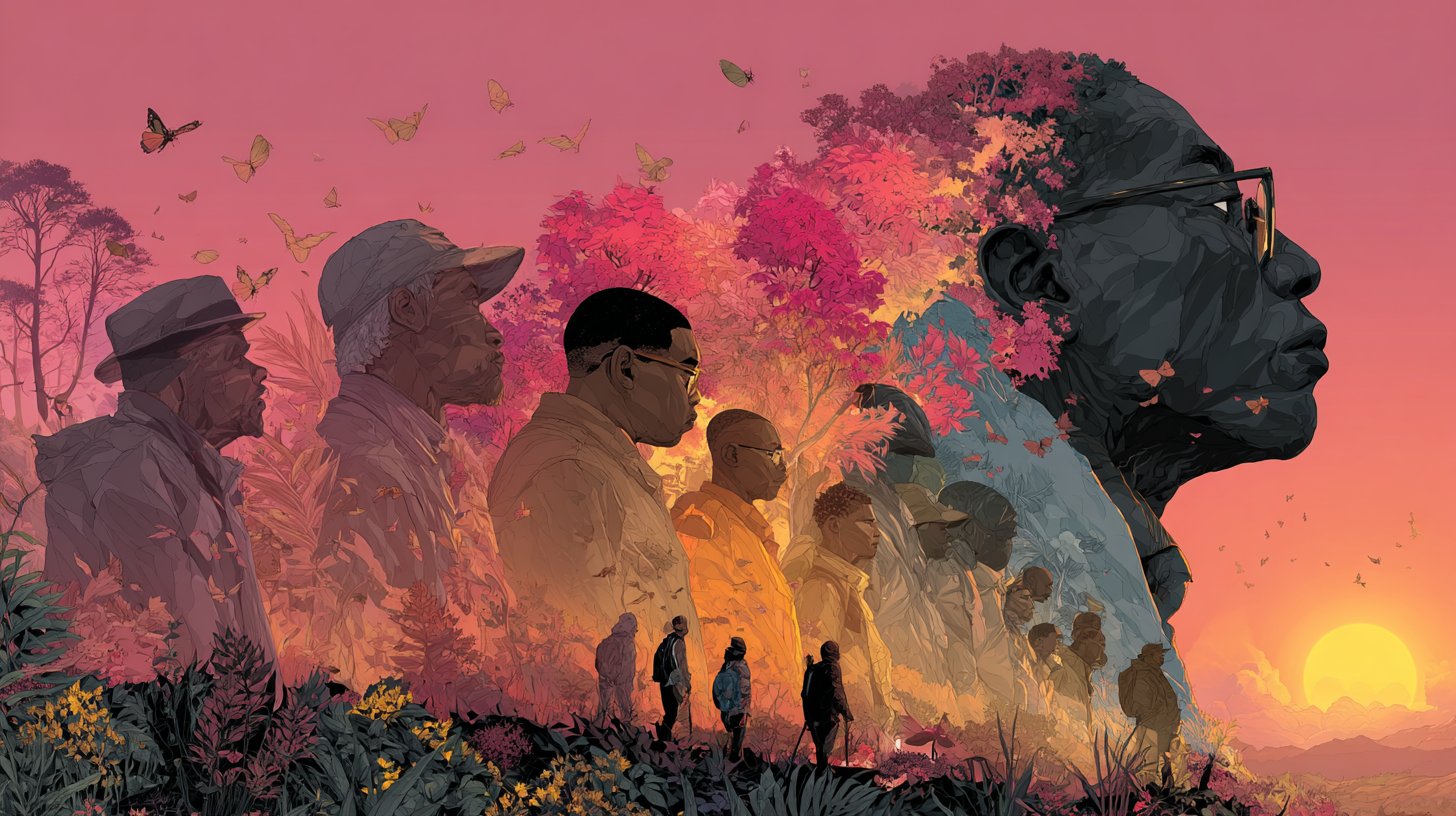

In life, we encounter many types of men who influence our feelings and relationships. It is important to understand their characteristics to find the right way to deal with them. When we are clear about the dangers and challenges that some of them bring, we can better set boundaries and find our happiness.
At every stage of life, one comes into contact with different types of men. Whether at school, in the workplace, or in social circles – their varying behaviors can present us with challenges. While some have positive traits and can inspire us, there are others who can burden us emotionally or even be harmful. By taking the time to analyze them, we can shape our lives more consciously and reduce unnecessary pressure.


The Macho Type: Self-confident or Arrogant?
The macho type is often very charismatic and has a strong sense of self-confidence. At first glance, he appears attractive, as he often takes control in social situations. However, this excessive self-assurance can also come across as arrogant. This type often tends to ignore the needs of others and dominate in relationships. It is important to pay attention to balance with this type. Communication is key, as it ensures that one's own need for respect and equality is not lost. Anyone in a relationship with a macho should be aware of their own values and stand up for them.

The Player: Charming but Unreliable
The player has a talent for winning hearts. His charm is overwhelming, and he knows how to put himself in the spotlight. But behind this facade often lies unreliability and a certain emotional distancing. Players are often not interested in forming a deeper connection. Their numerous affairs can leave a feeling of restlessness and insecurity. It is important to remain true to oneself and not base one’s own worth on the recognition of others. Self-love and the ability to identify what is wrong are essential here to maintain a healthy distance.

The Eternal Bachelor: Fear of Responsibility
The eternal bachelor often has a very simplistic view of relationships. This can manifest in a deep fear of responsibility or commitment. His desire for freedom leads him not to want to seriously commit to anyone. This indecisiveness can be demanding, especially if one has a desire for a serious relationship. Here, it is important to clearly communicate one's own expectations and decide whether to truly wait for the person or prefer to focus on someone else who shares the same lifestyle.

Understanding different types of men is the first step towards setting healthy boundaries and positively shaping one's life. It is important to always pay attention to one's own needs and values. This makes it easier to defend one's priorities and not jeopardize emotional independence. Ultimately, happiness does not depend on other people but on our own ability to love and respect ourselves.
In conclusion, encountering different types of men represents a valuable learning experience. By becoming aware of their characteristics, we can make better decisions for our emotional well-being. Instead of allowing charismatic personalities to manipulate us, we can listen to our own judgment. Discretion and mindfulness are crucial to maintaining our boundaries and ultimately leading a fulfilling and happy life.
The world is colorful and diverse, and each type of man brings its own challenges. The ability to see the dynamics between us and them gives us the strength to make the right decisions. When we learn to recognize their tactics and behaviors, our lives automatically become easier and clearer. In this way, we can not only enjoy time with the right people but also learn to distance ourselves from the less positive influences.