
The Promotion of Social Competence in Preschool Children
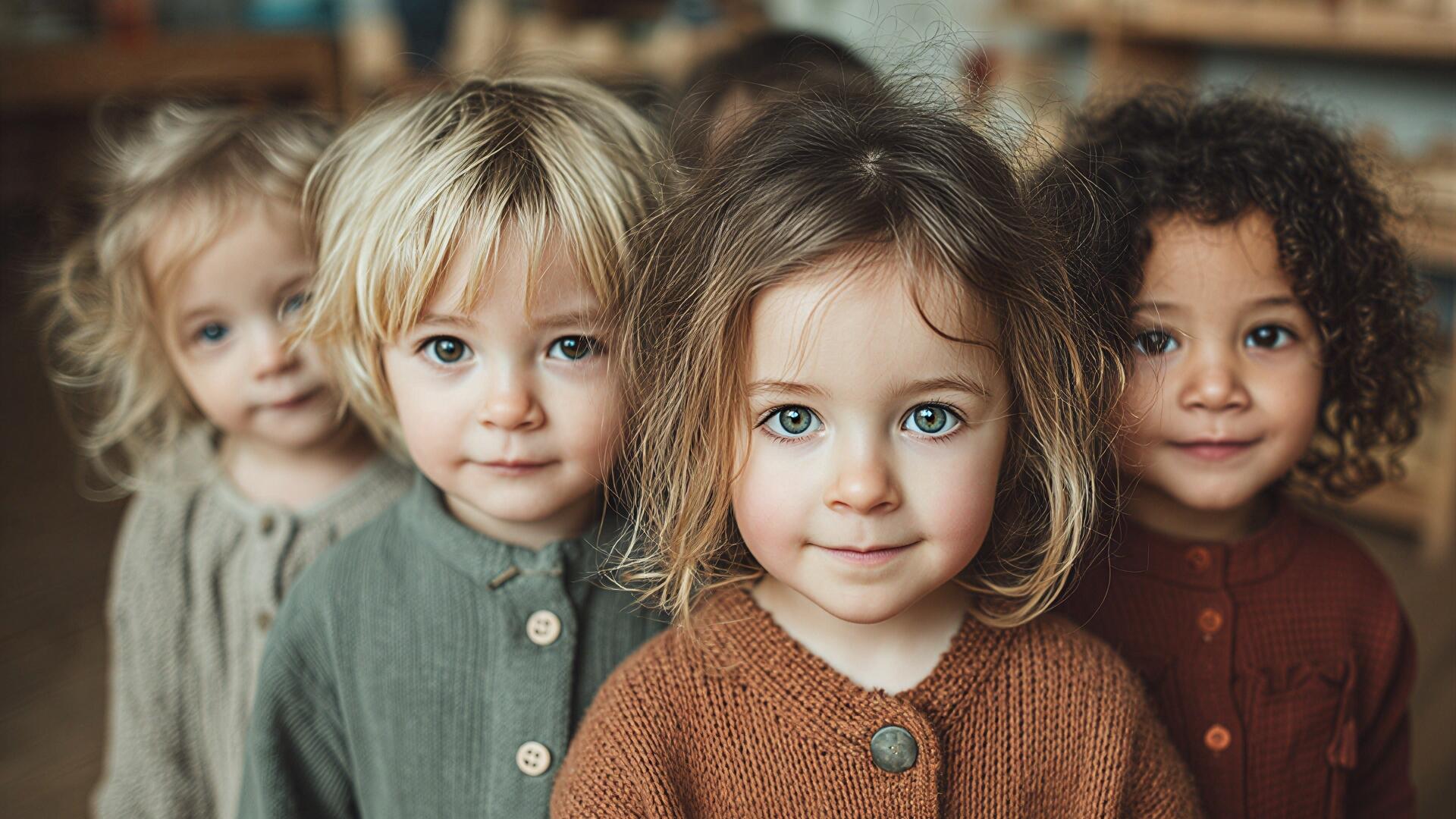

The development of social skills in preschool children is an essential part of their education and plays a crucial role in their later lives. At instaparents.com, you can learn how to support your children in this important phase as a parent. Social skills form the foundation for successful relationships and the ability to navigate in groups. In this article, we will explore how preschool children can develop communicative and interactive skills and which games and activities can help. We will also provide you with practical tips to promote social development, so your child grows up happy and self-confident.
Social skills develop during early childhood primarily through interaction with others. Children learn how to discuss, share, and resolve conflicts by engaging with peers and adults. Group activities like playing, crafting, or sports promote these competencies. It is important that you give your child the opportunity to act in different social environments, whether in kindergarten, at playdates, or even in your neighborhood. Contact with various people allows them to experience different perspectives and develop empathy.
Moreover, targeted role-playing can be a valuable method to foster social skills. By stepping into different roles, children can learn how to express feelings, respond to others, and set personal boundaries. These exercises are not only fun; they also help sharpen communication skills. When you engage in such games with your child, be sure to provide feedback – this strengthens their self-confidence and promotes reflection on their own behavior.


Importance of Emotional Intelligence
Emotional intelligence is a significant factor in the development of social skills. Encourage your child to recognize and name their own feelings. This can be as simple as asking how they feel and what emotions they experienced after a day. Reading stories in which the protagonists experience emotions can also be helpful. By discussing the characters' reactions, you can deepen your child's understanding of various emotions.
Another helpful approach is to show your child how to cope with setbacks. Support them in staying calm and looking for solutions when things don’t go as planned. Through this type of support, your child will learn to remain composed in stressful situations and not to give up. This resilience is a component of emotional intelligence and will help them be more confident in social interactions.
Shared experiences are also significant for the development of emotional intelligence. Engage in activities together that evoke new feelings – whether excitement, fear, or joy. Such experiences can help broaden the expression of emotions. Make sure to reflect on these experiences afterward, to help your child understand and categorize their feelings.
Tips for Supporting Social Skills
There are many practical ways to promote your child's social skills. Look for opportunities where your child can interact with other children – whether in a playgroup or kindergarten. Participation in group activities fosters teamwork and communication. Creating a friendly and respectful home environment also positively influences social skills. Open and respectful communication should be encouraged so that children learn to listen to others and express their own needs clearly.
Encourage your child to share their own ideas and opinions. This creates a sense of self-awareness and encourages them to be active in the group. It is also helpful to teach children the give and take found in friendships. This can be done by simply sharing toys or taking turns during games. Such interactive experiences are crucial for developing social skills and building trust.
Conclusion and Outlook
In summary, the development of social skills in preschool children is an ongoing process that requires commitment and support. By providing your child with a safe and loving environment, giving them the opportunity for interaction, and fostering emotional intelligence, you lay the foundation for healthy social development. Consider what activities you can create together to integrate these skills into everyday life.
All approaches you choose should be playful in nature, as fun is the key to motivation and learning. By actively shaping your child's world and providing useful feedback, you facilitate social development. Remember, it’s not only about the skills themselves but also about how important the relationships your child builds are for their future.