
The essential role of play and movement in early childhood
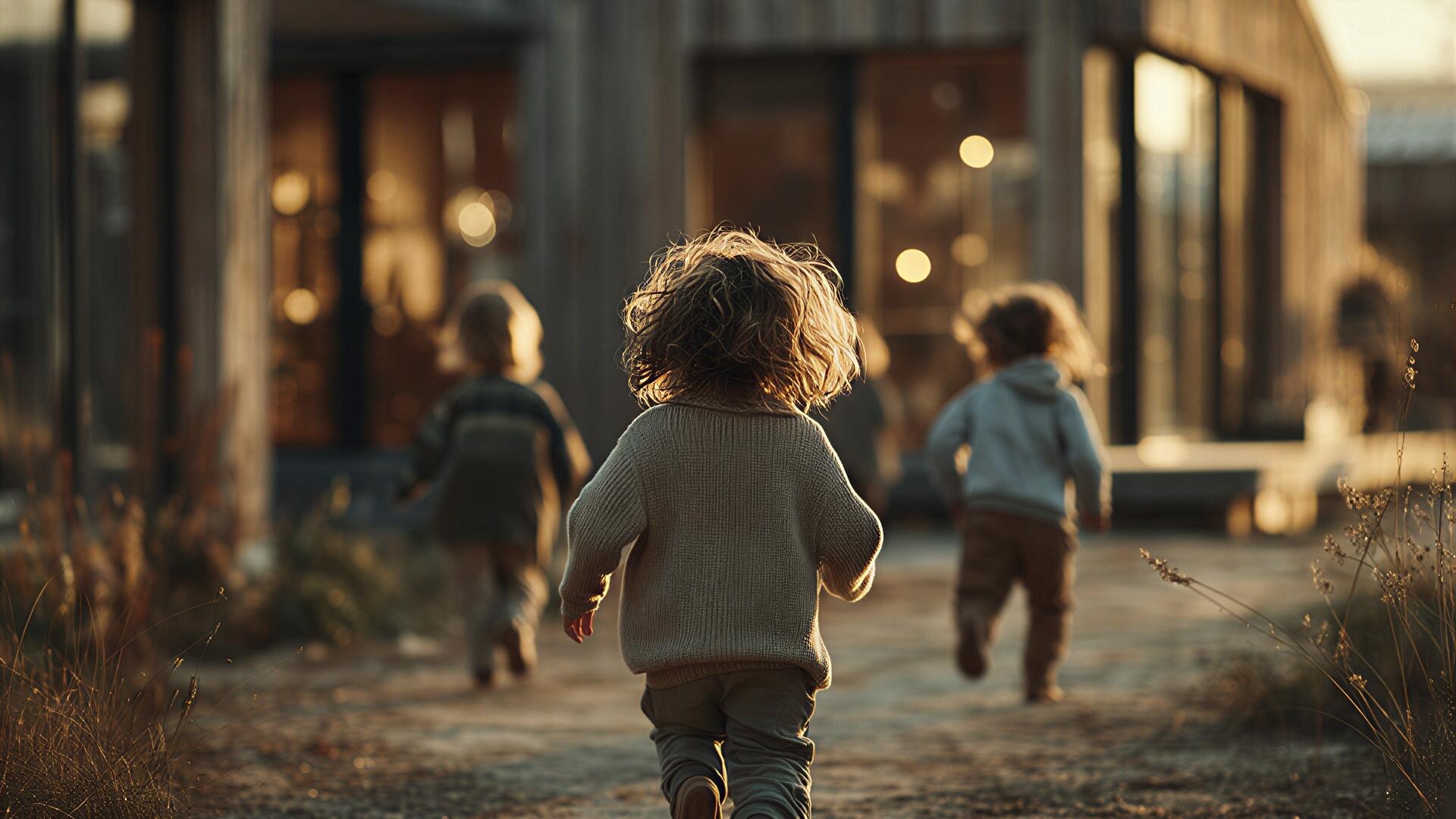

Early childhood is a critical phase for children's development. During this time, play and movement play a central role that is important for both physical and mental development. At instaparents.com, we engage intensively with topics that support parents at every stage of childhood. Our site offers valuable information and current articles that cover the entire parenting journey - from planning a child to adjusting to school life. We help understand the various phases of growing up and provide advice on fostering a healthy and happy childhood. In this article, we take a look at how important play and physical activities are in early childhood and how they help create strong bonds and promote learning.
Play is much more than just pastime for children. It is a fundamental necessity that helps them explore their environment and develop further. Through active play, children learn not only physical skills but also social competencies. While playing, they learn to interact with others, resolve conflicts, and regulate their emotions. Additionally, play fosters creativity and problem-solving abilities. Children can invent stories, engage in role-playing, and even experiment with simple scientific concepts while having fun. With toys and materials that are appealing, adults can stimulate children's curiosity and inspire new discoveries. Movement integrates seamlessly as children move, jump, and run.


The different types of play
The environment in which play takes place also has a significant influence. Indoors, toys provide cognitive challenges, while outside, nature stimulates physical movement. Parents can guide their children's play behavior to some extent by providing suitable play materials and creating play spaces. Regular visits outdoors or to playgroups can offer new incentives and ensure that children move in a varied manner and develop their social skills. Therefore, it is important for parents to recognize the relevance of play and to actively engage in play design.
Movement as a learning aid
Some movement activities can be easily integrated at home. Dancing together to music, simple yoga exercises, or even small sports games in the garden can spark children's joy in movement. Outings to parks or playgrounds also allow children to experience natural limits and challenges. These activities not only improve fitness but also contribute to social skills and emotional well-being. It is important to note that supervision during play and movement is also crucial for the bond between parent and child. Shared experiences create valuable memories and foster the relationship.
Conclusion and important insights
Remember that early childhood development is a fascinating journey that is enriched by play and movement. By integrating the importance of these elements into everyday life, you not only create a fun but also an educational childhood for your child. Let play and movement become the foundation of a happy and healthy childhood - for you and your child.