
The Importance of Music in Child Development
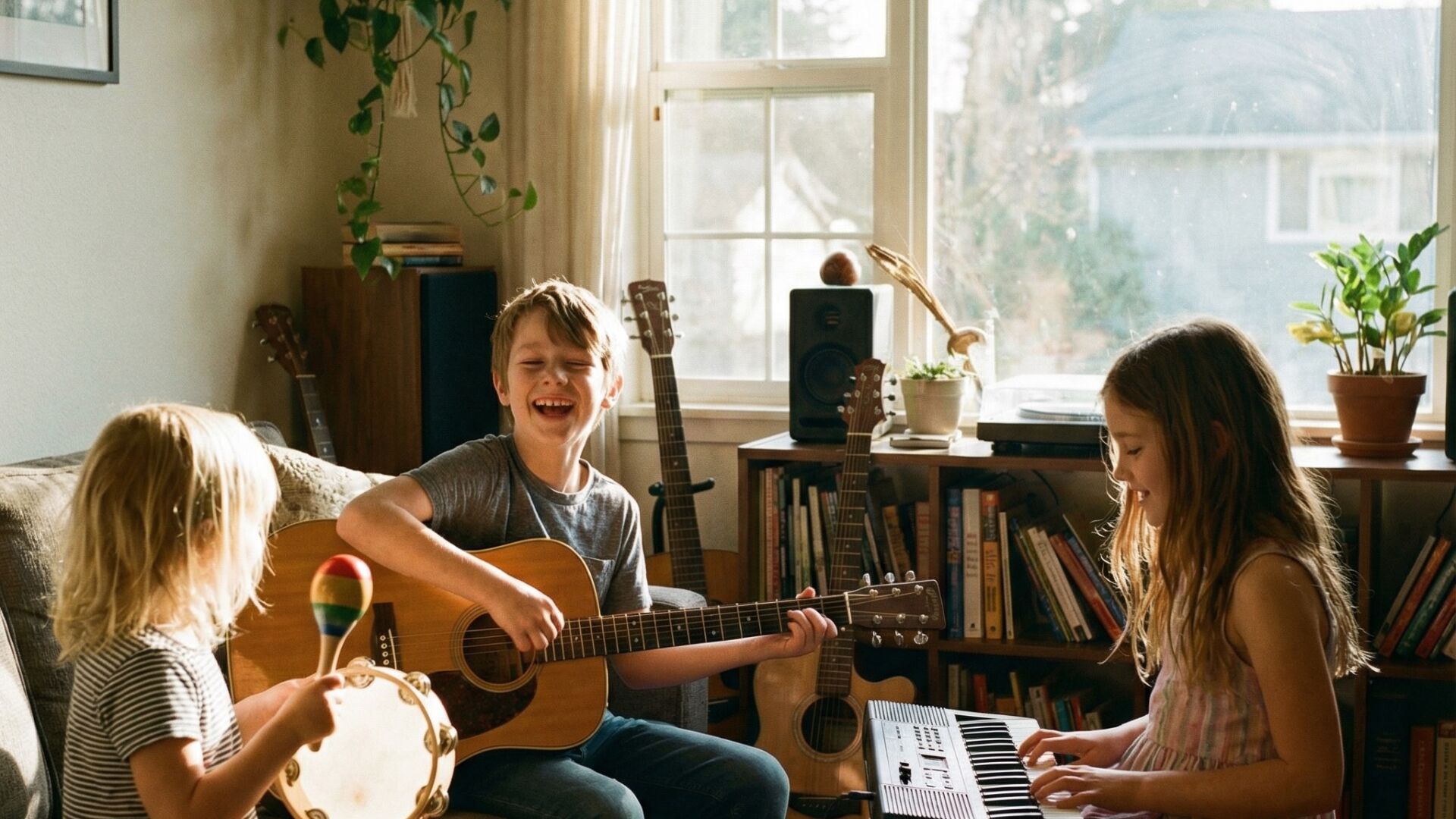

Music is more than just entertainment; it plays a crucial role in child development. On instaparents.com, you will learn how music not only promotes children's creativity and learning but also strengthens emotional and social skills. Music surrounds us from birth – whether through lullabies, everyday melodies, or musical instruments in play. In this article, we will explore why music is so important for your child's development and how you can effectively integrate it into daily life.
One of the most important characteristics of music in childhood is its ability to support cognitive development. Studies show that musical activities can promote brain structure and function. Children who listen to music or create music themselves develop better language skills and an improved memory. Learning instruments can also enhance concentration and problem-solving skills as children learn to recognize patterns and follow sequences. An example of this is practicing notes – children must adhere to the order and play the right notes at the right time.


Music as a Learning Aid
Music is an effective tool for conveying complex concepts more simply. Parents can use songs to teach the alphabet, numbers, or even foreign languages. Music combined with movement can further support learning. Learning to count to the sounds of a song while children dance retains much better in memory. This type of learning connects emotional and cognitive parts of the brain, ultimately leading to a deeper understanding of the content.
Furthermore, music helps develop emotional intelligence. When children listen to songs that address emotions such as joy, sadness, or anger, they learn to recognize and express these emotions. Singing and making music allows children to process their own emotions and strengthen social bonds. Group activities like singing in a choir promote teamwork and shared experiences, which are of great importance for social integration.
In addition to cognitive and emotional benefits, there are also physical advantages. Musical activities that are associated with movement promote motor skills. Playing an instrument helps train fine motor skills, while dance movements improve coordination. Children who frequently interact with music often show more joy in physical activities, contributing to a healthy lifestyle.
How You Can Integrate Music
You might be wondering how to effectively incorporate music into your child's daily life. Start by simply playing music in the background while your child plays or learns. Use different genres of music to promote musical diversity. Shared singing times are a great way to interact with your child and share the joy of music. Let your child also become active by trying out simple instruments or making music with you.
Another approach could be participating in music or dance classes. In these classes, children can learn not only new skills but also make friendships and further develop their social skills. Such group activities foster a sense of community and make music a part of their lives.
Conclusion: Music as a Companion for Life
In conclusion, it can be said that music plays a fundamental role in children's development. It not only promotes cognitive and emotional growth but also strengthens social skills and motor abilities. Parents should be encouraged to integrate music into everyday life, whether through singing together, listening to music, or creating music. By introducing your children to the world of music, you provide them with a valuable tool that will accompany them throughout their lives.
Remember that every interaction with music offers the opportunity to foster your child's engagement and enthusiasm for this area. Let music become an integral part of education, and watch your child thrive through these creative and enriching experiences.